
The main difference between whole milk and low-fat milk lies in their fat content and nutritional composition. Whole milk has a higher fat content, while low-fat milk reduces its fat content through defatting treatment. Whole milk retains the natural fat in milk, with a fat content typically between 3% and 4%. It has a richer taste and contains fat soluble vitamins A, D, E, and K. Whole milk is suitable for people who require high calorie intake, such as children, pregnant women, or manual laborers, as it can provide more energy and satiety. The fat in whole milk helps with the absorption of fat soluble vitamins, which has certain benefits for bone health and the immune system.
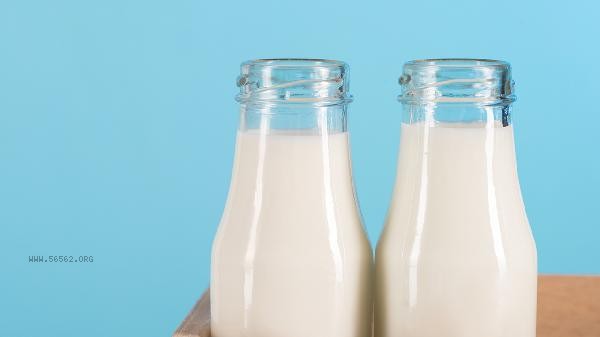
Low fat milk undergoes defatting treatment, reducing its fat content to 1% to 2% and having lower calories, making it suitable for people who need to control their weight or blood lipids. Although low-fat milk reduces fat, it retains most of the protein, calcium, and B vitamins, making it suitable for middle-aged and elderly people or cardiovascular disease patients. Low fat milk has a relatively light taste and may not be as rich as whole milk, but it still has high value in terms of nutritional balance. The choice between whole milk and low-fat milk should be determined based on individual health conditions and nutritional needs. Whole milk is suitable for people who require high energy and fat soluble vitamins, while low-fat milk is more suitable for people who need to control their fat intake. Both full fat and low-fat milk are rich in protein and calcium. It is recommended to choose according to one's own situation and drink in moderation to avoid excessive intake of fat or calories.









Comments (0)
Leave a Comment
No comments yet
Be the first to share your thoughts!