
The main difference between skim milk and whole milk lies in their fat content and nutritional composition. Whole milk has a higher fat content, while skim milk contains almost no fat. During the production process of skim milk, the vast majority of fat is removed through centrifugation technology, and the fat content is usually less than 0.5%. At the same time, fat soluble vitamins such as vitamins A, D, E, and K are also lost with fat. Whole milk retains natural fat components, with a fat content of about 3% -4%, a richer taste, and can provide more calories and satiety. The protein and calcium content of both are similar, but whole milk has a richer content of fat soluble vitamins, and fat helps with calcium absorption.
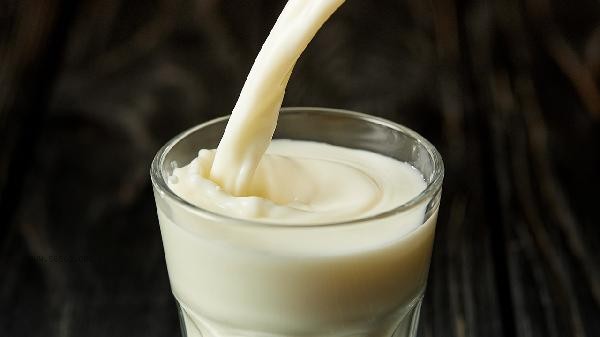
Skimmed milk is suitable for people who need to strictly control their fat intake, such as those with high blood lipids or weight loss. Its low calorie properties help reduce daily energy intake. Whole milk is more suitable for children, pregnant women, or people who need to supplement energy. Its natural nutritional components are more complete, but it should be noted that excessive consumption may lead to excess calories. Special populations such as lactose intolerant individuals can choose low lactose products for corresponding treatment. When choosing milk, it is necessary to consider one's own health condition and nutritional needs. The general healthy population can alternate between drinking two types of milk to balance their nutritional intake. It is recommended to control the total amount of dairy products consumed daily, and to have a balanced diet to avoid excessive consumption of a single food that may affect the integrity of the dietary structure. People with dairy allergies should avoid drinking or choose plant-based milk as a substitute.









Comments (0)
Leave a Comment
No comments yet
Be the first to share your thoughts!