
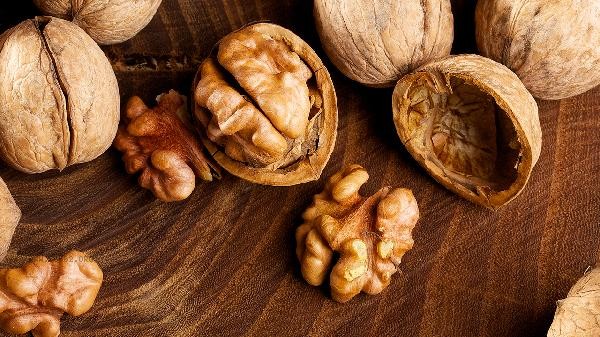
The main differences between cultural walnuts and ordinary walnuts lie in their uses, variety selection, and processing methods. Cultural walnuts are usually selected from specific varieties and form a patina after long-term handling, which has collection value; Ordinary walnuts are mainly for consumption, emphasizing nutrition and taste.
1. Differences in uses
Cultural walnut is mainly used for hand play and collection, promoting the formation of patina through long-term friction, achieving fitness and ornamental purposes. Ordinary walnuts belong to the category of nutty foods, rich in unsaturated fatty acids and vitamin E, and are often consumed directly or used as cooking ingredients. There is a fundamental difference between the two in terms of core functions.
2. Variety Selection
Cultural and artistic walnuts are often chosen with deep patterns such as lion heads, official hats, and young master hats, requiring symmetrical appearance and clear texture. Ordinary walnuts are mainly edible varieties such as paper skinned walnuts and mountain walnuts that are easy to peel and have plump kernels. Cultural walnuts have special requirements for leather thickness and collision sound, while consuming walnuts pays more attention to kernel yield and oil content.
3. Processing Technology
Cultural and decorative walnuts need to go through processes such as cleaning, drying in the shade, and pairing. Later, they are manually processed for a long time to form amber colored patina. Ordinary walnuts undergo food processing procedures such as peeling, drying, and sorting. Some products may undergo shell breaking, kernel extraction, or deep processing. The use of chemical agents is prohibited for processing walnuts, and some edible walnuts may undergo food grade treatments such as bleaching.
IV. Value Reflection
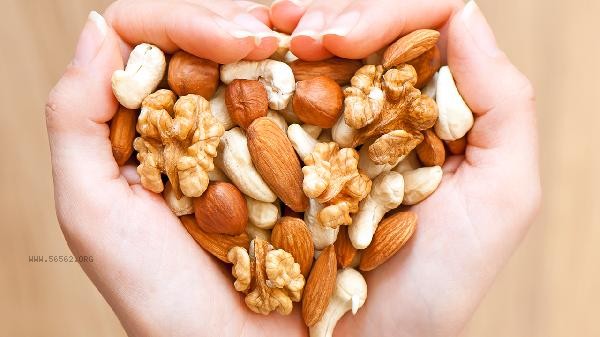
The value of cultural and artistic walnuts increases with the increase of playtime, and high-quality paired walnuts have a collection premium. As an agricultural product, the price of ordinary walnuts is influenced by the annual production and market supply and demand. The cultural significance and historical heritage of cultural relics such as walnuts are emphasized, and consuming walnuts mainly reflects their nutritional value and economic benefits.
Fifth, Usage Taboos
Walnut toys should avoid contact with chemical agents or high temperature exposure, and clean hands before playing with them. Attention should be paid to moisture and mold prevention when consuming walnuts, and individuals with allergies should control their intake. Walnuts for cultural purposes should not be washed or oiled for maintenance. After opening, they should be consumed as soon as possible to ensure freshness.
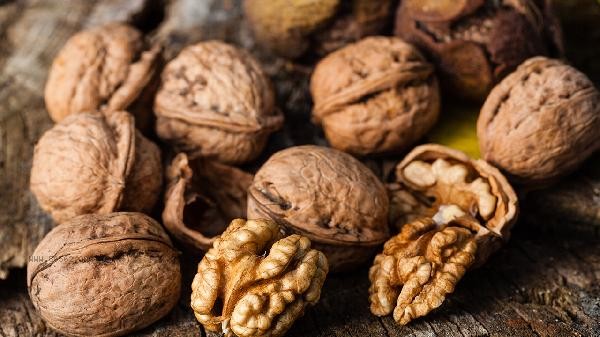
When making daily choices, it is important to have a clear demand orientation. Walnuts are suitable as hand exercise tools and cultural collectibles, while regular walnuts are a high-quality source of nuts. When playing with cultural walnuts, pay attention to regularly cleaning the gaps and dirt. It is recommended to choose original flavor products and seal them for storage when eating walnuts. Both types of walnuts should be avoided from being stored together with odorous items, and professionals should be consulted before use for special populations.








Comments (0)
Leave a Comment
No comments yet
Be the first to share your thoughts!