
The main difference between blueberries 18+and 16+lies in their fruit size, sweetness, and purpose. 18+blueberries usually refer to fruits with a diameter exceeding 18 millimeters, which are sweeter and more suitable for fresh consumption. 16+blueberries have a diameter of around 16 millimeters and are commonly used for processing or baking.
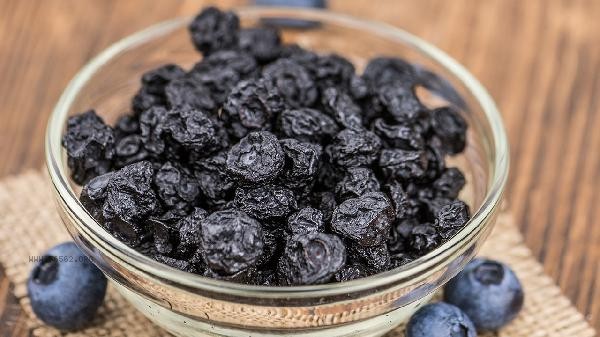
Blueberry 18+belongs to the large fruit variety, with a large single fruit weight, plump and juicy flesh, dark and uniform skin color, high sugar content, low acidity, and better taste when consumed directly. This type of blueberry is usually selected through strict grading, with high planting costs and relatively expensive market prices, making it suitable as a high-end fruit gift or dessert decoration. Its anthocyanin content is not significantly different from 16+, but the total nutritional content of a single fruit is slightly higher due to its volume advantage.
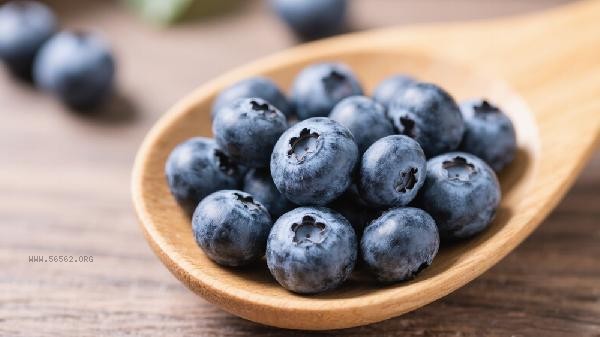
Blueberry 16+has a moderate fruit size, a balanced sour sweet ratio, and good storage resistance, making it suitable for making jams, juices, or baked goods. It is not easily broken during the processing, can retain more nutrients, and due to its high yield, the price is more affordable. Some varieties of 16+blueberries have thicker skin and lower transportation loss rates than 18+, making them more suitable for bulk procurement. There are differences in planting environment and picking standards between the two types of blueberries, with 18+having stricter requirements for light and fertilizer.
When choosing blueberries, you can decide according to your needs. For taste, 18+is preferred, and 16+is recommended for daily consumption or processing. Regardless of the specification, it is recommended to choose blueberries with intact skin and intact fruit powder. refrigeration can extend the shelf life. Blueberries are rich in anthocyanins and dietary fiber. Moderate daily consumption can help with antioxidant and intestinal health, but intake should be reduced during diarrhea.








Comments (0)
Leave a Comment
No comments yet
Be the first to share your thoughts!