
Black rice and purple rice have significant differences in nutritional composition, appearance, and taste, making them suitable for different populations and cooking needs. Black rice is rich in anthocyanins and dietary fiber, while purple rice contains higher levels of iron and B vitamins.
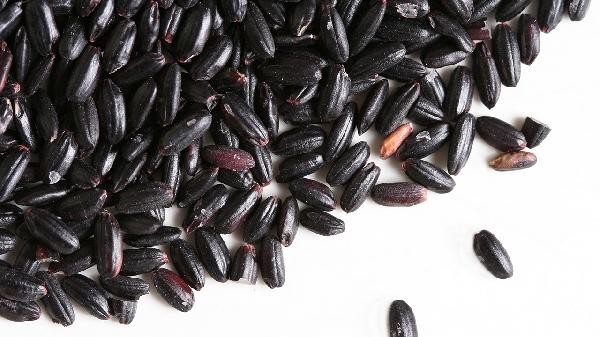
1. Appearance difference
Black rice has a dark black skin, slender grains, white endosperm, and a dark brown color when cooked. Purple rice grains are short and round, with a deep purple skin and a light purple endosperm. After cooking, the overall color is uniform reddish purple. Both retain the intact seed coat when unprocessed, but purple rice has stronger color permeability and is prone to water staining when soaked.
2. Nutrients
Black rice has a higher content of anthocyanins and strong antioxidant properties. Its dietary fiber content is higher than that of purple rice, which helps promote gastrointestinal motility. Purple rice contains several times more iron than black rice, and is also rich in vitamins B1 and B2, which have advantages in improving anemia and neurological function. Both types of rice contain abundant plant-based proteins and minerals.
3. glycemic index
Black rice has a relatively low glycemic index and is suitable for people with blood sugar control. Its hard outer seed coat can slow down starch digestion. Although purple rice is also a coarse grain, it has a slightly higher content of amylopectin and a higher viscosity after cooking. Its blood sugar response is slightly faster than black rice, but it is still better than ordinary white rice.
4. Cooking characteristics
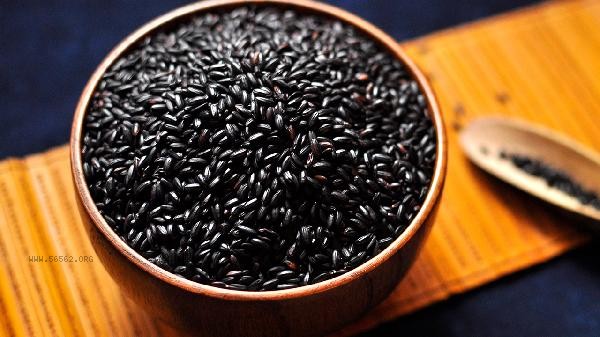
Black rice needs to be soaked for several hours in advance before it can be boiled thoroughly. It is suitable for making Congee or matching with coarse grain rice. Purple rice has strong water absorption and is easy to cook until it rot. It is commonly used to make desserts or glutinous rice, and pairs well with ingredients such as coconut milk for a better flavor. When the two are mixed for cooking, purple rice will soften before black rice.
5. Suitable Population
Black rice is more suitable for people who need to control their weight and improve constipation. Its high fiber can enhance satiety. Purple rice is more beneficial for pregnant women, anemic patients, and those who overuse their brains. The iron and B vitamins it contains can help with hematopoiesis and relieve fatigue. People with weak digestive function should control their intake of purple rice in moderation. Black rice and purple rice can be consumed alternately or mixed in proportion in daily diet, which can balance nutrition and enrich the taste of staple food. Suggest soaking and cooking with ingredients such as red beans and red dates to enhance mineral absorption. People with spleen and stomach deficiency and cold can add a small amount of ginger slices when eating to avoid causing bloating. Both types of rice should be stored in a cool and dry place to prevent the oxidation of oil and the production of a rancid taste.








Comments (0)
Leave a Comment
No comments yet
Be the first to share your thoughts!