
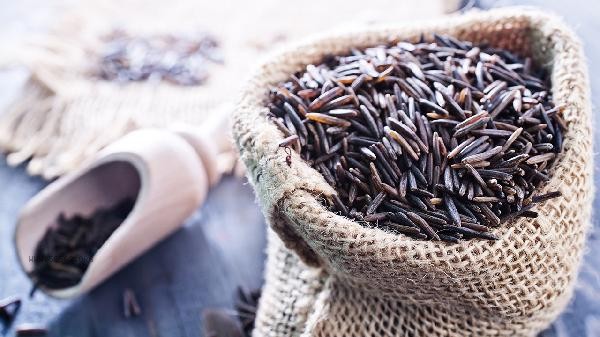
The main difference between black glutinous rice and purple glutinous rice lies in their variety characteristics and nutritional components. Both belong to glutinous rice but belong to different subspecies. Purple glutinous rice usually has a higher content of antioxidant substances. Purple glutinous rice is a characteristic variety from Yunnan, Guizhou and other regions, with a deep purple skin that gradually turns purple after soaking. Its color comes from abundant anthocyanins, a natural antioxidant that helps to eliminate free radicals and has certain benefits for cardiovascular health. The cooked purple glutinous rice is loose in texture and has a unique aroma of vegetation. It is suitable for making Babaofan (Rice pudding with eight-delicious ingredients) or wine making. Due to the solubility of anthocyanins in water, it is recommended to wash gently to avoid nutrient loss. Black glutinous rice is mainly produced in Guangxi, Fujian and other places. The rice grains are painted black and have a uniform color. After soaking, the water color slightly turns gray. Its black color mainly comes from plant pigments in the epidermis, containing a certain amount of iron and dietary fiber. Black glutinous rice has a strong viscosity, and the rice grains are tightly adhered after cooking. It is often used to make rice dumpling or Zongzi. When cooking, pay attention to soaking thoroughly, otherwise it is easy to have undercooked food. People with weak gastrointestinal function should control their food intake to avoid increasing digestive burden.
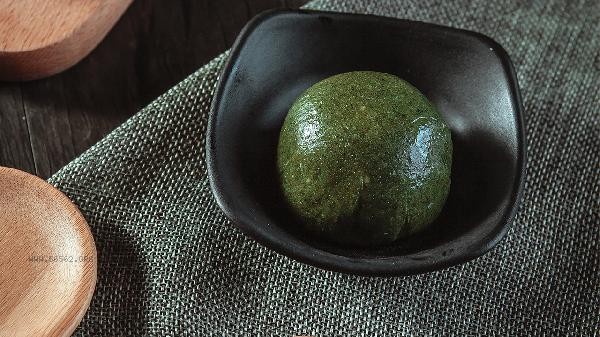
When consumed in daily life, one can choose according to their individual constitution. Purple glutinous rice is more suitable for people who need antioxidants, while black glutinous rice is suitable for supplementing minerals. Both of them belong to foods with high glycemic index, and diabetes patients need to control their intake. It is recommended to pair it with miscellaneous grains for consumption, which can enrich the taste and balance nutrition. When storing, it should be sealed and moisture-proof to avoid direct sunlight that may cause pigment degradation. Soaking thoroughly for more than 2 hours before cooking is beneficial for nutrient release and taste optimization.








Comments (0)
Leave a Comment
No comments yet
Be the first to share your thoughts!