
Baking soda, salt, rice water, fruit and vegetable cleaner, and running water rinse are the five most commonly used methods for cleaning fruits. Different methods are applicable to different types of fruits, and the appropriate method should be selected based on the characteristics of the fruit skin.
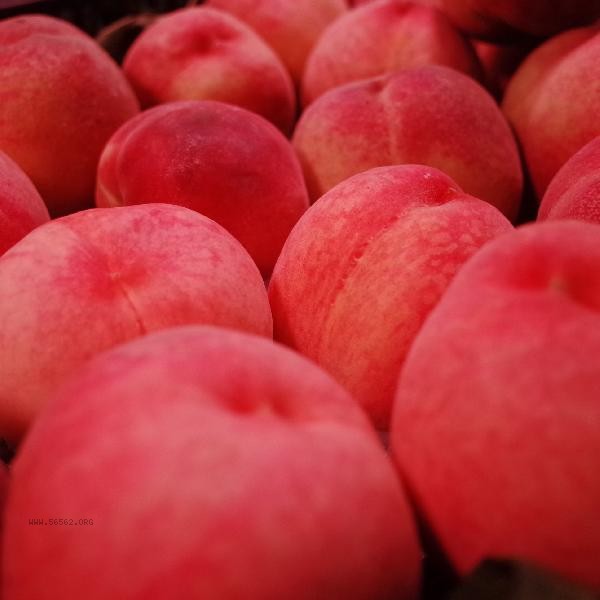
1. Baking soda
Baking soda solution can neutralize the acidic components of pesticides and has a significant effect on wax skinned fruits such as apples and pears. Dissolve 5 grams of baking soda in 500 milliliters of water, soak the fruit for 10 minutes, and then rub to remove most of the surface residue. This method has a good decomposition effect on organic phosphorus pesticides, but it should be noted that soft fruits such as kiwifruit should not be soaked for a long time.
2. Salt
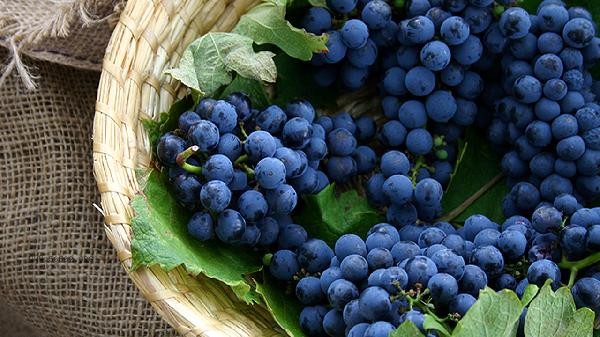
The physical friction of salt particles is suitable for cleaning fragile fruits such as strawberries and grapes. Soak in 3% saline solution for 5 minutes and gently stir to effectively remove dust and insect eggs from the depression. The osmotic pressure of saltwater can cause some pesticides to precipitate, but its effectiveness in removing fat soluble pesticides is limited.
3. Rice washing water
Rice washing water contains starch particles with adsorption properties, which are particularly suitable for cleaning berries such as waxberries and mulberries. Soak the fruit in the second layer of rice washing water for 8 minutes, and the starch will wrap around the pesticide molecules and settle. This method is naturally safe, but it is necessary to ensure that the rice washing water itself is clean and free of pollution. After cleaning, it still needs to be rinsed with running water.
4. Fruit and vegetable cleaner
Special fruit and vegetable cleaner has a high efficiency in decomposing fat soluble pesticides and is suitable for citrus fruits. Dilute according to the instructions and soak for 3 minutes. Surfactants can damage the molecular structure of pesticides. Food grade formula products should be selected and washed repeatedly to avoid chemical residues. It is recommended to use this method with caution when consuming fruits for infants and young children.
5. Running water rinsing
Running water rinsing is the most basic cleaning method, suitable for fruits with skin such as bananas and watermelons. Rubbing under a water column of 15 centimeters for more than 30 seconds, mechanical flushing can remove over 85% of surface pollutants. It is recommended to rinse before peeling to avoid contamination of the fruit pulp by the cutting edge. After cleaning tropical fruits, the surface moisture should be wiped dry in a timely manner. When cleaning fruits, the appropriate method should be selected according to the type. Hard fruits can be lightly brushed with a soft bristled brush to clean the surface grooves. It is recommended to prioritize the use of physical cleaning methods for organic grown fruits, and to extend the soaking time for off-season fruits. Regardless of the method used, it is recommended to thoroughly rinse with running water before processing peeled fruits. Before storage, ensure that the surface of the fruit is completely dry to avoid the growth of mold in humid environments. It is recommended to increase the frequency of cleaning for children and pregnant women who consume fruits.








Comments (0)
Leave a Comment
No comments yet
Be the first to share your thoughts!