
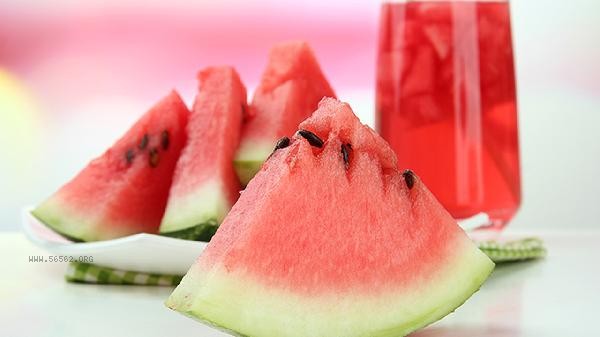
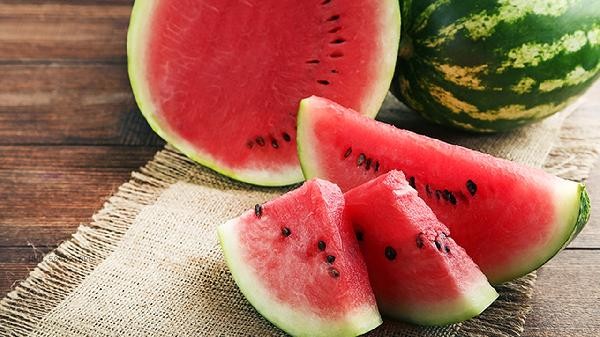
The calorie content of 100 grams of watermelon is about 30 calories, and the actual calorie content is affected by factors such as maturity, variety, and moisture content. Watermelon is a low calorie fruit, mainly composed of water and natural sugars. Every 100 grams of edible portion contains approximately 7 grams of carbohydrates, with fructose and glucose being the main components. Watermelon has a low dietary fiber content, but contains a certain amount of antioxidant substances such as vitamin C and lycopene. Due to its high moisture content of over 90%, the calorie content of high sugar fruits such as bananas and durians is significantly lower under the same weight. Some special varieties such as yellow fleshed watermelon or square watermelon may accumulate more sugar and slightly increase calories due to differences in planting methods. Over ripe watermelons may experience an increase in unit calories due to water evaporation and sugar concentration. Commercial watermelon juice, due to the removal of pulp fibers and possible addition of sugar, has higher calorie content than consuming the pulp directly.
Watermelon is suitable as a healthy choice for summer water supplement and summer heat elimination, but diabetes patients need to pay attention to controlling their intake. Suggest pairing with a small amount of nuts or yogurt to slow down sugar absorption. Avoid consuming large amounts on an empty stomach to prevent excessive fluctuations in blood sugar levels. When selecting, maturity can be judged by the sound of tapping, and a dull sound is usually sweeter and more juicy. Eat or refrigerate as soon as possible after cutting to avoid bacterial growth.








Comments (0)
Leave a Comment
No comments yet
Be the first to share your thoughts!