
The nutritional value and taste of jujube varieties such as Xinjiang Ruoqiang jujube, Shanxi Jun jujube, Hebei Jinsi jujube, Shandong winter jujube, and Gansu Linze jujube are relatively good. Different varieties of jujubes have their own characteristics in terms of sugar content, flesh texture, vitamin content, etc., which are suitable for different populations and dietary needs.
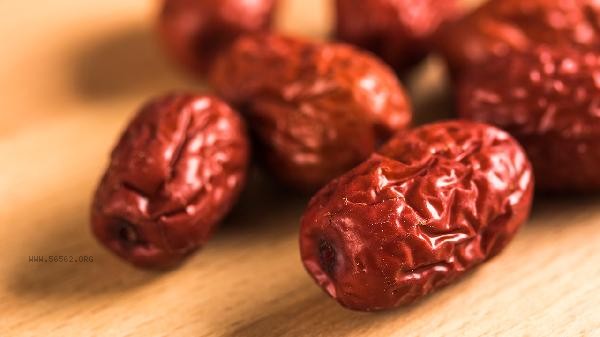
1. Ruoqiang Jujube
Xinjiang Ruoqiang Jujube is known for its thin skin, thick flesh, small nucleus, and sweet taste. It is rich in cyclic adenosine monophosphate and iron elements, which can help improve anemia and enhance immunity. The natural and dry climate conditions make the fruit sugar fully accumulated, which is suitable for direct consumption or soup making, but the sugar content is high, and diabetes patients need to control their intake.
2. Shanxi Junzao
The fruit of Shanxi Junzao is large and plump, with delicate and juicy flesh. It has outstanding vitamin C content, which helps promote collagen synthesis. The unique planting environment on the Loess Plateau makes it rich in minerals, suitable for making honey dates or processing them into date paste. For those with weak gastrointestinal function, it is recommended to peel and consume.
III. Golden Silk Jujube
Golden silk jujube produced in Hebei Province is characterized by golden flesh and obvious stringiness. It is rich in dietary fiber and calcium, which is beneficial for bone health and intestinal peristalsis. It has a moderate sweetness and a slightly sour flavor, suitable for pairing with stewed desserts such as Tremella fuciformis and lilies. It can be used in autumn to moisten and dry.
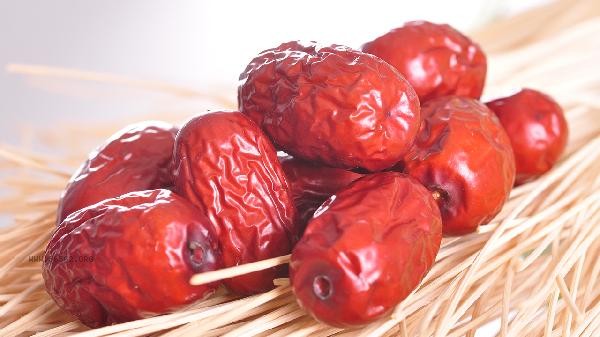
4. Shandong Winter Dates
Shandong winter dates are famous for their crispness, sweetness, and juiciness. They mature late but have a short shelf life, and are rich in vitamin B and potassium elements, which help maintain nerve function and electrolyte balance. Fresh consumption can maximize the acquisition of nutrients, with a lower glycemic index, but individuals with a cold constitution should not consume excessively.
Five, Linze jujube
Gansu Linze jujube is small in size but has a strong aroma, containing polyphenols and zinc elements, and has antioxidant and taste improving effects. It is suitable for long-term storage after drying. It can add flavor when cooking Congee. Steaming with pear juice during coughing can relieve throat discomfort.
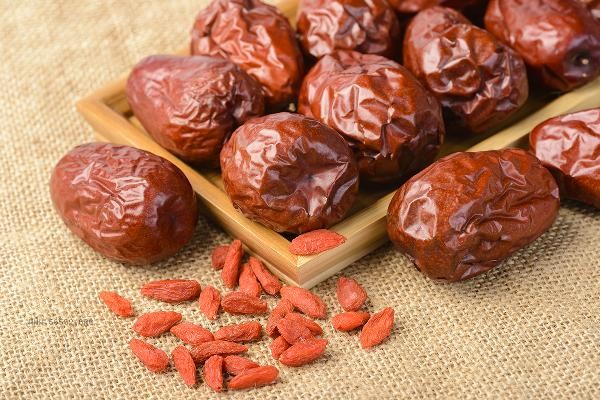
When choosing jujubes, it is recommended to limit the daily consumption of fresh jujubes to no more than 10 and dry jujubes to no more than 5 according to physical condition and consumption method. Pairing with ingredients such as walnuts and yams can enhance nutritional value and avoid affecting digestion when consumed with seafood or high protein foods. Dry jujubes should be sealed and moisture-proof when stored. If there is a smell of alcohol or mold, they should be discarded immediately. Special groups, such as pregnant women and patients with diabetes, should eat reasonably under the guidance of nutritionists.








Comments (0)
Leave a Comment
No comments yet
Be the first to share your thoughts!