
The best time to drink tea is usually from 9am to 11am and from 1pm to 3pm in the afternoon. These two time periods are suitable for drinking tea, mainly considering the metabolic patterns of the human body, gastrointestinal function status, and the impact of tea components on sleep. Drinking tea should be avoided on an empty stomach, within half an hour after meals, and 3 hours before bedtime. Drinking tea in the morning can help refresh the mind, and tea polyphenols and caffeine can promote metabolic efficiency, making it suitable for starting a day of work and study. At this time, the human body is in a state of dehydration after resting at night. Drinking tea in moderation can replenish water and stimulate the secretion of digestive juices. However, it is important to avoid drinking strong tea on an empty stomach to prevent theophylline from irritating the gastrointestinal mucosa and causing discomfort. Those with weak gastrointestinal function can be paired with a small amount of Dim sum, such as soda biscuits or whole wheat bread. Afternoon tea drinking can help relieve fatigue, and theanine has a soothing effect on the nerves. At this time, the human body undergoes the midday digestion process, and drinking tea appropriately can help break down food fat. Black tea or oolong tea are more suitable as they have a higher degree of fermentation and less gastrointestinal irritation. It is necessary to control the single consumption amount within 200 milliliters to avoid excessive caffeine intake that may affect nighttime rest. Patients with diabetes should pay attention to monitoring blood sugar. Some teas may enhance the effect of hypoglycemic drugs.
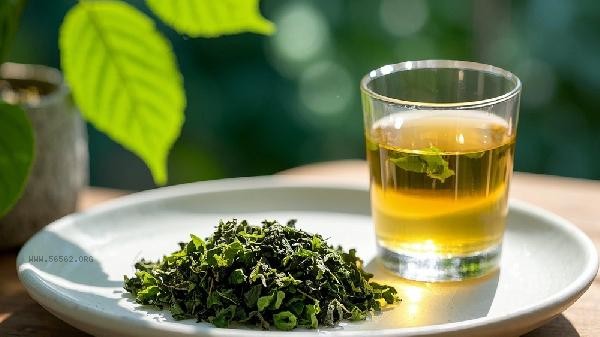
When drinking tea, it is recommended to choose fresh tea of the season to avoid losing nutrients due to prolonged storage. People with different physical constitutions should adjust their tea choices. Those with cold bodies should drink black tea or black tea, while those with hot bodies can choose green tea or white tea. The total daily tea consumption should be controlled within 5 grams of dry tea, as long-term excessive consumption may affect iron absorption. Combining a balanced diet and regular daily routine, drinking tea can better enhance its health benefits. Special populations such as pregnant women and anemic patients should control their tea consumption under the guidance of a doctor.









Comments (0)
Leave a Comment
No comments yet
Be the first to share your thoughts!