
Meat is best preserved frozen at temperatures below minus 18 degrees Celsius. Long term frozen storage of meat requires stable low-temperature inhibition of microbial activity, and the temperature in the freezer compartment of household refrigerators is usually set between minus 18 degrees Celsius and minus 20 degrees Celsius.
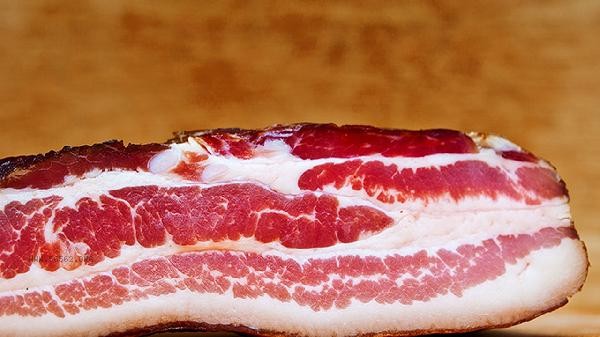
minus 18 degrees Celsius is the internationally recognized standard temperature for food preservation, which can effectively delay the oxidation of meat fat and protein denaturation. At this temperature, most bacteria and enzyme activities are significantly inhibited, and meat can be stored for several months without spoilage. Both double door and three door refrigerators used in ordinary households can reach this temperature range. When storing fresh meat in daily life, it is necessary to ensure that the packaging is sealed to avoid repeated thawing. Some commercial cold storage facilities use ultra-low temperature freezing below minus 30 degrees Celsius, which is more suitable for high-end meat that needs to be stored for a long time. This temperature can better maintain the cellular structure of meat, and the taste after thawing is closer to a fresh state, but it is difficult to achieve for household devices and consumes more energy. Short term stored processed meat products or soon to be consumed meat can also meet basic preservation needs at around minus 12 degrees Celsius.
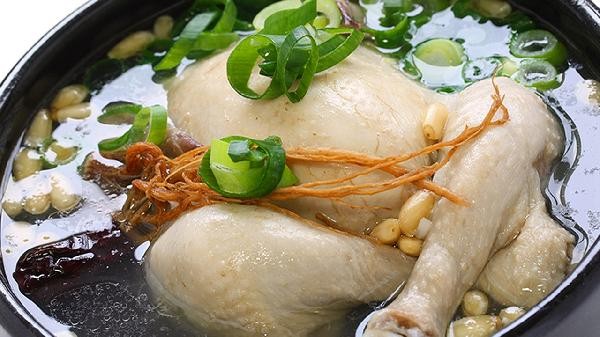
When freezing and storing meat, it is recommended to divide it into single serving portions, use plastic wrap to isolate the air, and then place it in a sealed bag. The shelf life of different meats varies greatly, with poultry typically being frozen for 1 year, red meat for about 6-8 months, and processed meat products for 3-4 months. Regularly check whether the refrigerator temperature meets the standard to avoid frequent temperature fluctuations caused by opening and closing the door, which may affect the storage effect.








Comments (0)
Leave a Comment
No comments yet
Be the first to share your thoughts!