
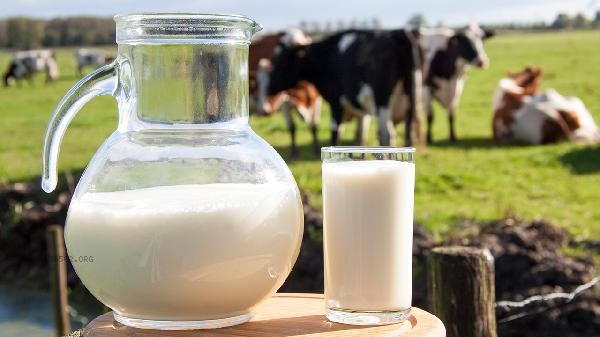
It is recommended to choose full fat pasteurized milk for children's consumption of pure milk, mainly considering factors such as protein content, calcium absorption rate, fat type, additive control, and brand safety.
1. Protein Content
High quality pure milk should contain more than 3 grams of protein per 100 milliliters, with a balanced ratio of casein to whey protein. Children have a high demand for amino acids during their growth and development period, and the essential amino acid composition in milk is close to the human body's needs, which can promote skeletal muscle development. Some products will be labeled with A2 β - casein, which has a molecular structure that is easier to digest and absorb.
2. Calcium absorption rate
The optimal ratio of calcium to phosphorus in milk is 2:1, and vitamin D fortified products can improve calcium absorption efficiency. The presence of lactose can form soluble calcium salts, which have higher bioavailability compared to plant-based calcium sources. Choosing products with a calcium content of 120 milligrams or more per 100 milliliters can meet about one-third of the daily calcium needs of school-age children.
III. Fat Types
Whole milk contains 3% -4% natural milk fat, among which conjugated linoleic acid and sphingomyelin are beneficial for children's neurological development. It is not recommended for children under two years old to choose skim milk, as fat soluble vitamins rely on milk fat delivery. Some brands may add nutrients such as DHA, but short chain fatty acids in natural milk fat have more health value.
IV. Additive control
The preferred ingredient list only contains raw milk products, and avoid adding sucrose, essence, thickening agent and other ingredients. Ultra high temperature sterilized milk may add stabilizers to extend its shelf life, while the processing technology of pasteurized milk can better preserve its original nutrients. Pay attention to the milk solids content indicated on the packaging label, the higher the value, the better the milk purity.
Fifth, Brand Safety
Choose products that have passed organic certification or designated production qualifications for student milk, which have stricter testing for antibiotic residues, heavy metal content, and other aspects. Check the production date and cold chain label on the packaging, fresh house packaging retains more active substances than sterile Tetra Pak packaging. Regularly rotating different brands can diversify food safety risks. It is recommended for children to drink 300-500 milliliters of pure milk per day, which can be consumed twice in the morning and evening to avoid excessive lactose intake at once. Pairing with cereal based foods can delay gastric emptying time and improve protein utilization. Drinking after meals can reduce the impact of cold stimulation on the gastrointestinal tract. For children with lactose intolerance, they can choose zero lactose milk or take it with lactase. Children with allergies should try hydrolyzed protein formula milk under the guidance of a doctor. Pay attention to whether there are adverse reactions such as eczema and diarrhea after drinking. When storing, it should be refrigerated and consumed within 48 hours after opening.








Comments (0)
Leave a Comment
No comments yet
Be the first to share your thoughts!