
The best quality Pu erh tea is usually made from pure raw materials from ancient trees, and its value is mainly reflected in three core dimensions: tree age, place of origin, and craftsmanship. High quality Pu'er tea is mainly characterized by high scarcity of raw materials, great aging potential, rich taste layers, mild and stable tea properties, and significant health benefits.
1. High scarcity of raw materials
Fresh tea leaves from ancient tea trees over a hundred years old are the most valuable collectibles. The ancient tea trees in core production areas such as Menghai and Yiwu in Yunnan have primitive growth environments, rich soil minerals, and abundant accumulation of substances in their leaves. The tea cake strips made from this type of raw material are plump and shiny, with obvious floral, fruity, and honey aromas during the new tea period. As they age, they gradually transform into unique flavors such as camphor and medicinal aromas.
Secondly, there is great potential for aging.
Traditional stone ground pressed compressed tea is more conducive to later transformation. Under dry storage conditions, high-quality raw materials will slowly oxidize tea polyphenols into beneficial substances such as theaflavins. The soup color will gradually change from yellow green to amber, and the taste will shift from cold to mellow. Old people over 20 years old often present special flavors such as plum rhyme and woody aroma, and significantly reduce gastrointestinal irritation.
III. Rich taste level
The ancient tree tea can show obvious changes in front, middle and base note when brewing because of its high content of amino acids and aromatic substances. The first soak carries the fragrance of wild mountain flowers, the throat rhyme deepens after three bubbles, and there is still sweet tail water after seven bubbles. Ripe tea is known for its smooth and mellow texture. High quality ripe tea undergoes moderate fermentation, without any lingering or mixed flavors, and has a thick and mellow soup like rice soup.
Fourth, the tea has a mild and stable nature.
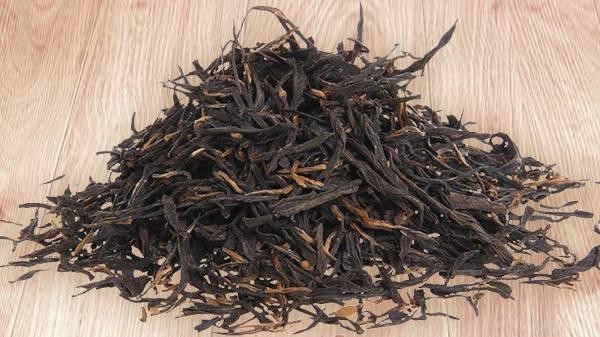
Mature Pu tea that has undergone pile fermentation has the mildest nature and is suitable for daily consumption by people with weak and cold constitution. However, aged tea gradually warms up due to its tea nature, making it less likely to stimulate the gastrointestinal tract. Both contain a large amount of theaflavins, which have a positive effect on regulating blood lipid metabolism, and the caffeine content is lower than that of freshly brewed tea.
Fifth, significant health benefits
Pu erh tea contains unique tea polysaccharides and gallic acid, which have auxiliary effects such as lowering blood sugar and antioxidation. Due to its richer variety of catechins, ancient tree tea has a better ability to scavenge free radicals than Taiwanese tea. It is recommended to drink tea soup with moderate concentration daily, avoid drinking freshly made raw Pu on an empty stomach, and store it away from light and moisture to preserve the active ingredients.
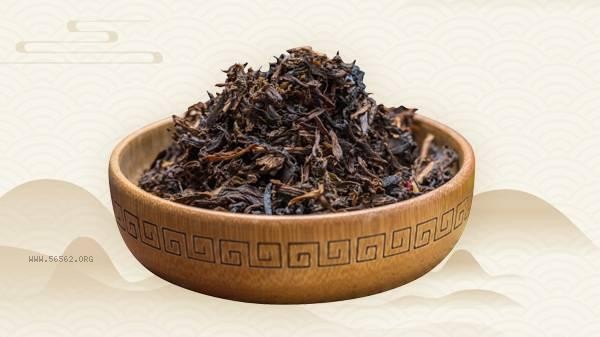
When choosing Pu'er tea, it is recommended to try it first before purchasing. New tea customers can start with ripe Pu'er tea that has been aged for more than three years, while old tea enthusiasts can pay attention to well stored mid-term tea. When brewing, use a purple clay teapot or a covered bowl, control the water temperature at around 95 degrees, and quickly release the first few infusions to better experience the layers of the tea soup. Daily storage should be kept away from odors, maintain a ventilated and dry environment, and regularly check the condition of tea cakes. Reasonable consumption of Pu'er tea can help promote digestion and regulate metabolism, but patients with anemia or severe gastric ulcers should control their consumption.








Comments (0)
Leave a Comment
No comments yet
Be the first to share your thoughts!