
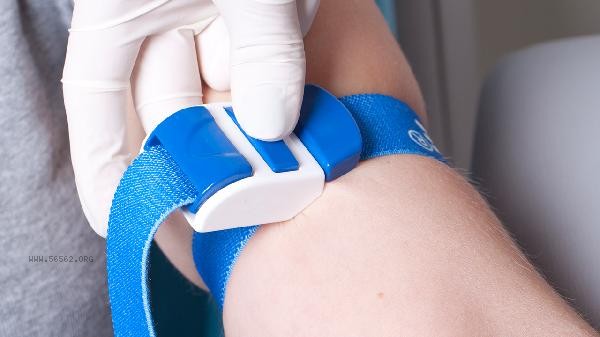
Reducing blood lipids can be achieved by consuming moderate amounts of oats, deep-sea fish, soy products, nuts, green leafy vegetables, and other foods. It is also possible to follow medical advice by taking atorvastatin calcium tablets, fenofibrate capsules, rosuvastatin calcium tablets, simvastatin tablets, ezetimibe tablets, and other medications. It is recommended to seek medical attention promptly and combine dietary and medication interventions under the guidance of a doctor to avoid self adjustment of medication.
1. Food
1. Oats
Oats are rich in soluble dietary fiber beta glucan, which can bind to cholesterol and promote its excretion from the body. Long term consumption can help reduce low-density lipoprotein cholesterol levels and improve lipid metabolism. It is recommended to choose unprocessed oatmeal and avoid sugary ready to eat products.
2. Deep sea fish
Salmon, sardine and other deep sea fish contain rich Omega-3 fatty acids, which can reduce the synthesis of triglycerides and inhibit inflammatory reaction. Eating two to three times a week can help regulate blood lipids. When cooking, it is recommended to steam or grill to avoid frying and damaging nutrients.
3. Soybean products
Bean curd, soybean milk and other soybean products contain plant sterols and soy protein, which can competitively inhibit cholesterol absorption. Its isoflavone components can also improve vascular elasticity and are suitable for replacing some animal protein intake, but gout patients need to control their consumption.
4. Nuts
Walnuts, almonds, and other nuts contain unsaturated fatty acids and plant sterols. Moderate consumption can increase high-density lipoprotein levels. It is recommended to consume a small handful of original nuts daily and avoid salt baked or sugar soaked processed products to prevent excessive sodium and sugar.
5. Green leafy vegetables
Dark leafy vegetables such as spinach and rapeseed are rich in folate and potassium elements, which can promote homocysteine metabolism and reduce vascular endothelial damage. Its dietary fiber can also delay fat absorption. It is recommended to consume more than 300 grams per day and stir fry quickly to retain nutrients.

2. Drug
1. Atorvastatin calcium tablets
act as HMG CoA reductase inhibitors, reducing total cholesterol and low-density lipoprotein by inhibiting liver cholesterol synthesis. Suitable for patients with primary hypercholesterolemia, regular monitoring of liver function is required during medication.
2. Fenofibrate capsules
belong to the beta class of lipid-lowering drugs, mainly activating PPAR - α receptors to accelerate triglyceride breakdown. The effect on mixed hyperlipidemia is significant, but it may cause gastrointestinal reactions. When used in combination with anticoagulants, the dosage needs to be adjusted.
3. Rosuvastatin calcium tablets
powerful statins can significantly reduce the risk of atherosclerosis. Suitable for patients with coronary heart disease and hyperlipidemia. For those with renal insufficiency, it is necessary to reduce the dosage and avoid taking grapefruit together, which may affect metabolism.
4. Simvastatin tablets
are representative drugs of intermediate acting statins, which have the effects of regulating blood lipids and stabilizing plaques. Common adverse reactions include muscle pain and elevated transaminase levels. During medication, vigorous exercise should be avoided and alcohol intake should be restricted.
5. ezetimibe tablets
are selective cholesterol absorption inhibitors that act by blocking the NPC1L1 protein in the small intestinal brush border. Often used in combination with statins to enhance lipid-lowering effects, it is ineffective against homozygous familial hypercholesterolemia when used alone.
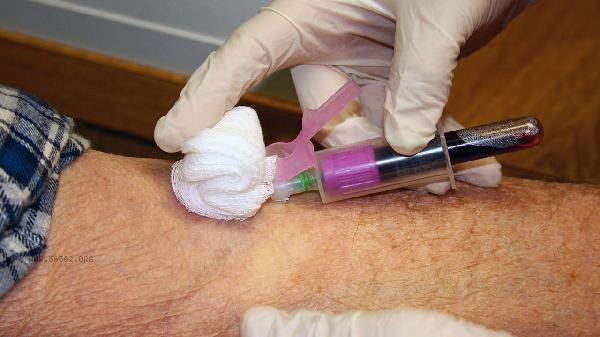
To reduce blood lipids, it is necessary to adhere to a low-fat and low sugar diet, control cooking oil within 30 grams per day, and reduce animal visceral and trans fatty acid intake. Engage in aerobic exercise such as brisk walking, swimming, etc. at least five times a week, lasting for at least thirty minutes each time. Quit smoking, limit alcohol consumption, maintain a regular sleep routine, and regularly test four indicators of blood lipids. Those with hypertension or diabetes need to control basic diseases synchronously and avoid stopping lipid lowering drugs without authorization. Seek medical attention promptly and adjust the plan when adverse reactions such as muscle pain or fatigue occur.








Comments (0)
Leave a Comment
No comments yet
Be the first to share your thoughts!