
People with high blood lipids and high blood sugar can eat moderate amounts of oats, deep-sea fish, broccoli, black beans, bitter melon and other foods. These foods help regulate blood lipid and blood sugar levels, but it is important to maintain a balanced diet and cooperate with medical treatment.
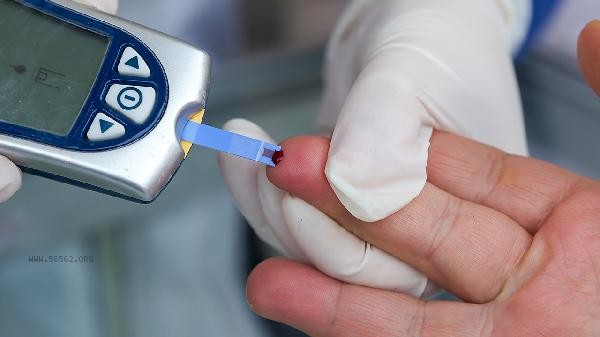
1. Food
1. Oats
Oats are rich in soluble dietary fiber β - glucan, which can delay glucose absorption and reduce postprandial blood glucose peak. The linoleic acid it contains helps to lower low-density lipoprotein cholesterol and improve blood lipid abnormalities. It is recommended to choose pure oatmeal without additives and avoid ready to eat sugary oatmeal products.
2. Deep sea fish
Salmon, sardine and other deep sea fish are rich in Omega-3 unsaturated fatty acids, which can reduce the level of triglycerides and reduce vascular inflammation. Eating 2-3 times a week can help improve blood lipid metabolism, but it is important to pay attention to cooking methods and avoid deep frying.
3. broccoli
broccoli contains chromium and glucosinolates, which can enhance insulin sensitivity and assist in blood glucose control. Its dietary fiber and antioxidant components can reduce cholesterol absorption, making it suitable for cold mixing or stir frying to retain nutrients.
4. Black beans
The plant protein and anthocyanins in black beans have antioxidant effects, and the isoflavones they contain can regulate the activity of lipid metabolism enzymes. It is recommended to consume it with skin on, and pairing it with miscellaneous grains can stabilize postprandial blood sugar fluctuations.
5. Bitter gourd
Bitter gourd saponins and peptides in bitter gourd have insulin-like effects and can promote glucose utilization. Its low sugar properties are suitable for replacing some staple foods, but individuals with gastrointestinal sensitivity need to control their intake.

2. Medication
1. Atorvastatin calcium tablets
are suitable for patients with primary hypercholesterolemia by inhibiting liver cholesterol synthesis and reducing low-density lipoprotein. Regular monitoring of liver function is necessary to avoid taking grapefruit together.
2. Metformin hydrochloride tablets
first-line medication for type 2 diabetes can improve insulin resistance and reduce hepatic glucose output. Common adverse reactions include gastrointestinal discomfort and caution in patients with renal dysfunction.
3. Fenofibrate capsules
are mainly used for hypertriglyceridemia, accelerating chylomicron degradation by activating lipoprotein lipase. During the medication period, it is necessary to follow a low-fat diet, and pregnant women are prohibited from using it.
4. Glimeprazole tablets
are sulfonylurea hypoglycemic drugs that stimulate pancreatic beta cells to secrete insulin. Be alert to the risk of hypoglycemia, and elderly patients should start using small doses.
5. Acarbose tablets
are alpha glucosidase inhibitors that delay carbohydrate breakdown and absorption. Swallowing immediately before meals may cause gastrointestinal reactions such as bloating.
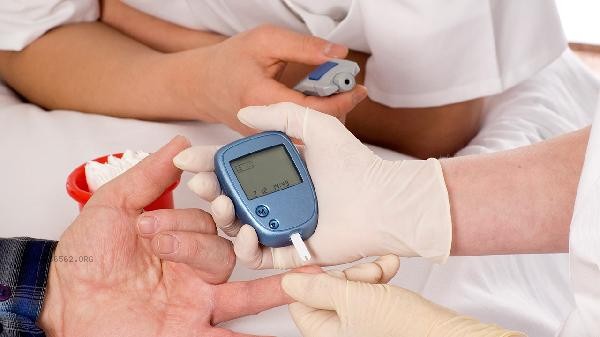
People with abnormal blood lipids and blood sugar should establish a long-term dietary management plan, with coarse grains accounting for no less than one-third of their daily staple food, and healthy oils such as olive oil should be used for cooking. It is recommended to engage in 150 minutes of moderate intensity aerobic exercise per week, such as brisk walking, swimming, etc. Regularly monitor the four levels of blood lipids and glycated hemoglobin indicators, and avoid smoking and drinking alcohol. Patients taking combined medications should adjust their diet according to medical advice and seek medical attention promptly if they experience discomfort such as dizziness and palpitations.








Comments (0)
Leave a Comment
No comments yet
Be the first to share your thoughts!