
The suitable temperature for freezing and storing meat is minus 18 degrees Celsius or lower. Long term frozen storage of meat requires a stable low-temperature environment, which is mainly influenced by factors such as storage time, meat type, packaging method, refrigerator performance, and thawing habits.
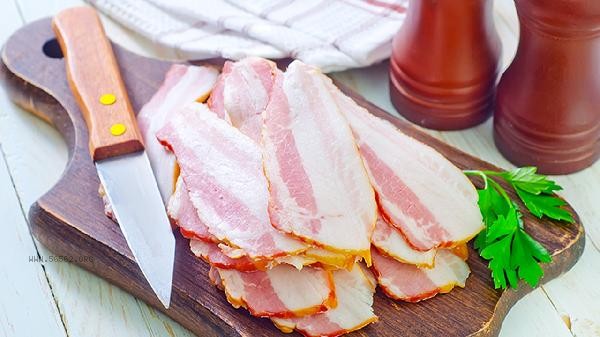
1. Storage Time
Meat stored for a short period of one week can be stored at around minus 12 degrees Celsius, but must reach below minus 18 degrees Celsius for more than a week. Low temperature can effectively inhibit microbial reproduction, and minus 18 degrees Celsius can put most bacteria into a dormant state, extending the shelf life of meat to several months. Meat with high fat content, such as pork and beef, require lower temperatures to prevent oxidation and rancidity.
2. Types of Meat
Red meat requires a lower freezing temperature than white meat. Beef is recommended to be frozen at minus 20 degrees Celsius, while poultry can be frozen at minus 18 degrees Celsius. Processed meat products can adapt to slightly higher temperatures due to the presence of preservatives, but fresh meat must be strictly temperature controlled. Fish and other seafood are temperature sensitive and require rapid freezing below minus 20 degrees Celsius to maintain their texture.
3. Packaging Method
Vacuum packed meat can withstand minus 15 degrees Celsius, while regular plastic wrap packaging requires temperatures below minus 18 degrees Celsius. Meat with poor sealing is prone to freezing and burning, manifested as surface dehydration and whitening. The sliced small pieces of meat are easier to freeze through than the whole piece, and the temperature drop at the center of the large piece of meat is slower.
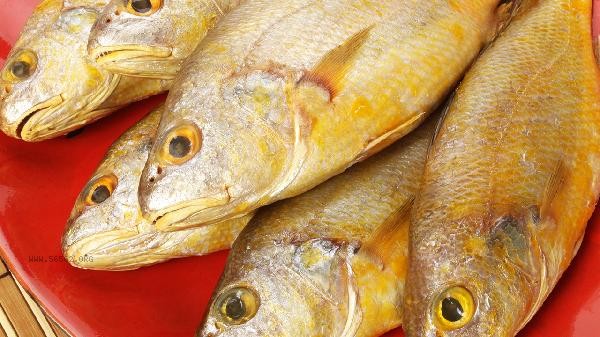
4. Refrigerator Performance
Air cooled refrigerators have lower temperature fluctuations than direct cooled refrigerators, making them more suitable for long-term storage of meat. Frequent opening and closing of doors can cause temperature rise, it is recommended to set up a separate freezer. When the refrigeration efficiency of an old refrigerator decreases, the actual temperature may be 2-3 degrees Celsius higher than the set value.
5. Thawing Habits
Meat that needs to be thawed repeatedly should be deeply frozen at temperatures below minus 20 degrees Celsius. The ice crystals formed by low-temperature freezing are smaller, reducing cell damage. When thawing, transfer to the refrigerator to slowly thaw, which can maximize the preservation of meat quality. Meat subjected to rapid freezing treatment has less muscle fiber damage.
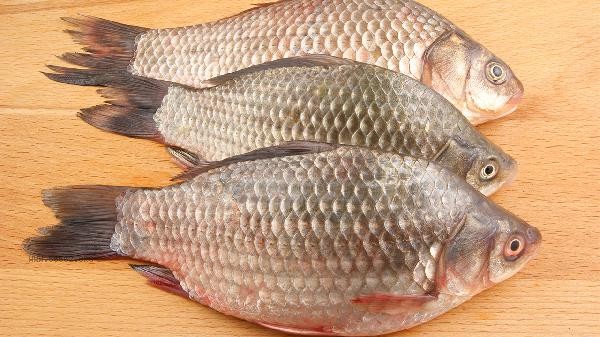
In addition to temperature control, meat should be divided into single use quantities and labeled with dates before freezing to avoid expired storage. Meat that has been frozen for more than three months gradually loses its nutritional value, and fat oxidation can produce odors. Store meat from different parts separately to avoid cross contamination. Regularly defrost to maintain the refrigeration efficiency of the refrigerator, and monitor with a thermometer to ensure that the actual calibrated temperature is reached. Thawed meat should not be refrozen and is recommended to be cooked and consumed within 24 hours.








Comments (0)
Leave a Comment
No comments yet
Be the first to share your thoughts!