
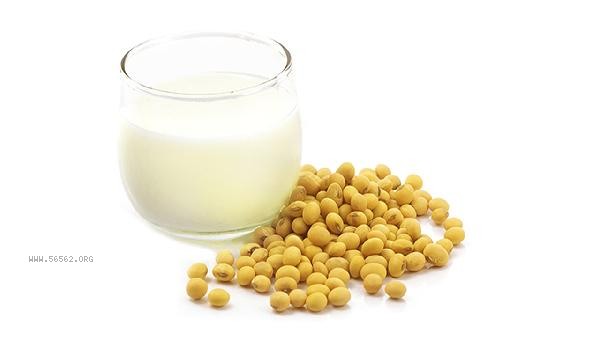
Low carbon water foods refer to foods with low carbohydrate content, mainly including green leafy vegetables, mushrooms, some fruits, soy products, and lean meat. These types of foods usually have a low glycemic index and help control blood sugar and weight. The core characteristic of low-carbon aquatic foods is that the carbohydrate content in every 100 grams of edible portion is below a certain standard. Green leafy vegetables such as spinach and rapeseed generally have a carbohydrate content of less than 5 grams, and are also rich in dietary fiber and vitamins. Mushrooms such as shiitake mushrooms and enoki mushrooms have a carbohydrate content of about 3-6 grams and contain various minerals. Some fruits, such as strawberries and blueberries, have a carbohydrate content of about 7-12 grams, which is much lower than high sugar fruits such as bananas and mangoes. After bean products such as tofu and soybean milk are processed, some carbohydrates are removed and the protein retention rate is high. Lean meat such as chicken breast, beef and other animal based foods have a carbohydrate content close to zero and are the main source of high-quality protein. Some specially processed foods also belong to the category of low-carbon water, but attention should be paid to the issue of additives. Some meal replacement powders and protein bars designed specifically for ketogenic diets on the market reduce their total content by replacing traditional carbohydrates with sugar substitutes. Some sugar free beverages use sweeteners instead of sucrose, theoretically with zero carbohydrate content, but long-term consumption may affect the balance of gut microbiota. Although processed meats such as bacon and ham have low carbohydrate content, their high sodium and high-fat properties may increase the risk of cardiovascular disease. Nuts such as almonds and walnuts have moderate carbohydrate content, but their fat content is high and should be controlled in intake.

When choosing low-carbon water foods, it is recommended to prioritize natural unprocessed ingredients and pay attention to pairing them with high-quality fats and proteins to ensure nutritional balance. People who adopt a low-carbon diet for a long time need to monitor their blood ketone levels to avoid electrolyte imbalances or malnutrition. Special groups, such as pregnant women and diabetes patients, should adjust their diet under the guidance of doctors or nutritionists, and should not blindly reduce carbohydrate intake. Low temperature cooking methods such as steaming and cold mixing can be combined in daily life to maximize the preservation of the nutritional value of food.









Comments (0)
Leave a Comment
No comments yet
Be the first to share your thoughts!