
Liposuction is a shaping method that involves surgical removal of local subcutaneous fat, mainly suitable for stubborn fat accumulation that is difficult to improve through diet and exercise. Liposuction can be divided into traditional negative pressure liposuction, ultrasound assisted liposuction, laser assisted liposuction, etc. It involves inserting a liposuction tube through a small incision to physically aspirate fat cells, but cannot replace whole-body weight loss.
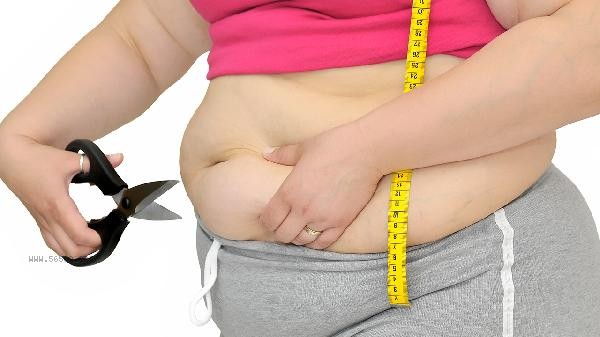
1. Surgical principle
Liposuction uses a negative pressure device connected to a hollow metal suction tube, which enters the fat layer through a 3-5 mm incision on the skin. The adipose tissue is mechanically broken and suctioned synchronously by moving back and forth. Ultrasonic or laser equipment can liquefy fat in advance to improve extraction efficiency. This technology can only reduce the number of adipocytes. The number of adipocytes remains constant in adulthood, and postoperative weight should be maintained to prevent residual cell volume from increasing.
2. Applicable areas
The effect is significant in fat prone areas such as the waist, abdomen, inner and outer thighs, and buttocks. Facial and neck liposuction can improve double chin or contour lines. Caution should be exercised when operating in areas with dense fibrous tissue such as the chest, back, and lower legs. The single suction volume should be controlled within 3000 milliliters, as excessive suction may cause fluid imbalance or skin indentation. Scar constitution and coagulation dysfunction are taboo groups.
III. Preoperative evaluation
requires complete blood routine, coagulation function, and electrocardiogram examination to exclude cardiovascular disease and metabolic abnormalities. Local skin infections or severe laxity require prior treatment. Doctors will mark the liposuction area and design the incision location, usually selecting concealed areas such as skin folds. Anticoagulants should be discontinued 2 weeks before surgery, and after surgery, an elastic shapewear should be worn for 1-3 months to compress and shape the body.
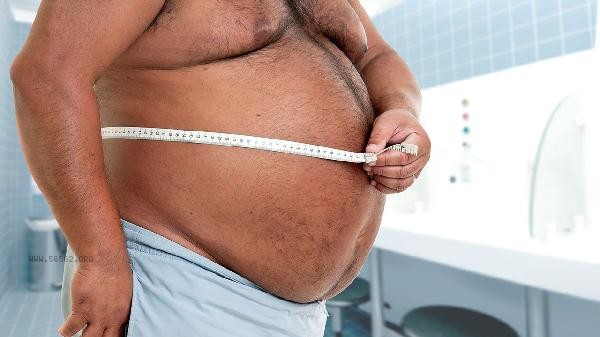
IV. Recovery Process
After 24-48 hours of surgery, if there is a lot of exudate, the dressing should be changed regularly. Daily activities can be resumed within 3-5 days, but vigorous exercise should be avoided. The bruising and swelling gradually subside within 2-4 weeks, and the final effect requires 3-6 months of tissue remodeling. Common complications include temporary sensory decline, local unevenness, and rare but severe fat embolism with a probability of less than 0.1%.
V. Limitations
cannot improve obesity related metabolic diseases, and visceral fat needs to be treated through weight loss metabolic surgery. People with poor skin elasticity may experience sagging and sagging, and require skin tightening treatment. After surgery, it is necessary to maintain a healthy diet and regular exercise. Weight fluctuations exceeding 10% may affect the shaping effect. Repeated aspiration may lead to tissue adhesion or fibrosis. After liposuction, a balanced diet should be maintained for a long time, with a daily protein intake of no less than 1.2 grams per kilogram of body weight, and consuming more dark vegetables to supplement vitamin K and help with blood clotting. Regularly engage in low impact aerobic exercises such as swimming and elliptical machine training, and avoid high-intensity abdominal training within 3 months after surgery. Regular follow-up evaluation of skin retraction is necessary. If there is persistent pain or skin discoloration, timely follow-up is necessary. Liposuction is an invasive procedure that must be performed by a plastic surgeon in a formal medical institution.








Comments (0)
Leave a Comment
No comments yet
Be the first to share your thoughts!