
During the weight loss period, it is recommended to consume a moderate amount of low calorie, high protein, and high dietary fiber late night snacks, mainly including boiled eggs, sugar free yogurt, broccoli, chicken breast, oatmeal, and other foods, which can help control calorie intake and increase satiety.

1. Food
1. Boiled eggs
Boiled eggs are rich in high-quality protein and vitamin B12. Protein digestion is slow, which can prolong satiety time. The lecithin in egg yolks helps regulate blood lipids, but it is important to avoid excessive cholesterol by consuming no more than 2 whole eggs per day. When consumed, it can be paired with a small amount of black pepper for flavor enhancement.
2. Sugar free yogurt
Sugar free yogurt contains probiotics and calcium, which can improve the balance of gut microbiota and promote metabolism. It is recommended to choose products with a carbohydrate content of less than 5 grams per 100 grams and avoid styles that add sugar substitutes. Lactose intolerant individuals can choose coconut yogurt as a substitute.
3. broccoli
broccoli is a typical low glycemic index vegetable, containing only 34 calories per 100 grams and a dietary fiber content of 2.6 grams. The glucosinolates in it have antioxidant properties. Simply blanch and drizzle with a small amount of olive oil can preserve the nutrients.
4. Chicken breast meat
contains approximately 31 grams of protein and only 3.6 grams of fat per 100 grams of chicken breast meat, making it suitable as a high protein late night snack. It is recommended to use low-temperature slow cooking or steaming methods for processing, and pairing with lemon juice can improve protein absorption rate. Avoid high oil cooking methods such as frying.
5. Oatmeal
Choose the raw oatmeal that needs to be cooked, as its β - glucan can slow down gastric emptying rate. After soaking 20 grams of dry oats, their volume expands by about three times. Adding chia seeds can further increase the dietary fiber content. Avoid ready to eat sugary oat products.

2. Drug
1. Orlistat capsules
are suitable for obese patients by inhibiting gastrointestinal lipase to reduce fat absorption. Adverse reactions such as fat diarrhea may occur, and a low-fat diet is necessary. Individuals with abnormal liver function are prohibited from using it.
2. Liraglutide injection
is a GLP-1 receptor agonist type hypoglycemic drug that has the effects of delaying gastric emptying and suppressing appetite. Attention should be paid to possible gastrointestinal reactions such as nausea and vomiting. It is not recommended for non diabetes patients to use it by themselves.
3. Fentemine Hydrochloride Tablets
is a central appetite suppressant used for obese patients with BMI ≥ 30 in the short term. May cause side effects such as dry mouth and insomnia, and is contraindicated for patients with cardiovascular disease. Strictly follow the doctor's advice to control the medication cycle.
4. Metformin enteric coated tablets
insulin sensitizer may be beneficial for obese individuals with insulin resistance. Common adverse reactions such as abdominal distension and diarrhea require dosage adjustment for patients with renal insufficiency. Non indications for medication should be carefully evaluated.
5. L-carnitine oral solution
is an adjuvant that promotes fatty acid mitochondrial oxidation, and combined with exercise, it may enhance the fat loss effect. Excessive supplementation may cause nausea and diarrhea, and meat intake is usually sufficient for the general population.
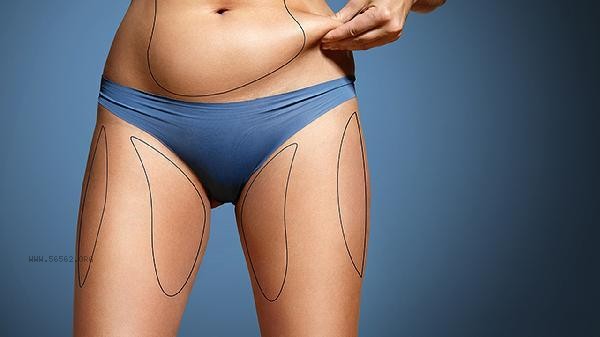
During weight loss, eating late night snacks should be controlled at least 2 hours before bedtime, and a single calorie intake of no more than 200 calories is recommended. Prioritize foods that require chewing to slow down eating speed and avoid high sugar and high salt processed foods. Long term weight management should be combined with daily calorie deficit and regular exercise, and medication use must be evaluated by professional doctors. Gentle stretching for 10 minutes before bedtime can promote blood circulation, and maintaining 7-8 hours of high-quality sleep is equally important for regulating leptin secretion.








Comments (0)
Leave a Comment
No comments yet
Be the first to share your thoughts!