
High fat foods mainly refer to foods with fat content exceeding the recommended daily dietary intake, commonly including animal fats, fried foods, fatty meat, cream products, nuts and seeds, etc. High fat foods can be divided into two categories: saturated fat and unsaturated fat, and excessive intake may increase the risk of obesity and cardiovascular disease.
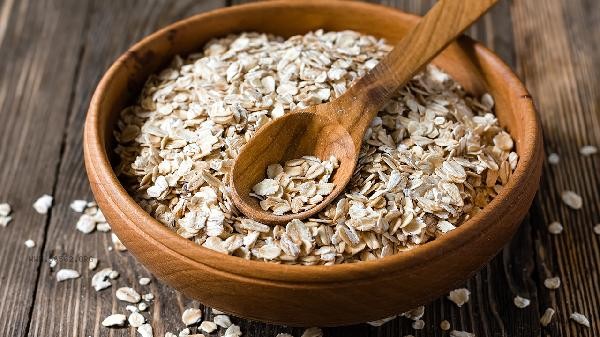
1. Animal fats and oils
Animal fats and oils such as lard, butter, and sheep fat are solid at room temperature and have a high proportion of saturated fatty acids. They are commonly used as ingredients in Chinese pastries and hot pot. Long term excessive consumption can increase low-density lipoprotein cholesterol, and the recommended daily intake should not exceed 10% of total energy.
2. Fried food
deep-fried dough sticks, potato chips, fried chicken and other high temperature fried foods not only have a sharp increase in fat content, but also may produce trans fatty acids. The content of harmful substances such as acrylamide in repeatedly used frying oil has significantly increased. It is recommended to consume it no more than once a week.
3. Fatty meat
Meat with a distinct fat layer, such as pork belly, beef brisket, and pig trotters, can have a saturated fat content of up to 20% -30%. Cooking methods such as braising and braising can further dissolve fat, and the daily intake of red meat for healthy individuals should be controlled within 50 grams.
4. Cream products
Butter, cheese, ice cream, and other dairy products contain natural trans fatty acids, and margarine may also contain hydrogenated vegetable oils. Some cake houses use plant-based cream with a fat content exceeding 50%, so it is important to pay attention to the nutritional chart when purchasing.
5. Nut seeds
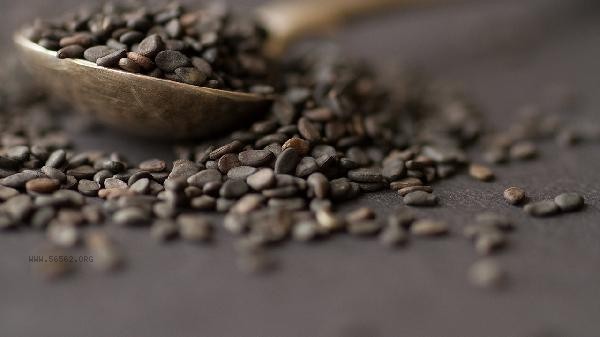
Walnuts, cashews, sesame seeds, etc., although containing healthy unsaturated fatty acids, have extremely high calorie density. 30 grams of nuts contain approximately 15 grams of fat, which is equivalent to 1/4 of the recommended daily fat intake. It is recommended to consume no more than one small handful per day.
To control the intake of high-fat foods, attention should be paid to the choice of cooking methods, and steaming and stewing should be used instead of frying. Increase high-quality sources of fat such as deep-sea fish and olive oil to ensure daily dietary fiber intake. Special populations such as patients with high blood lipids should strictly limit consumption of animal organs, coconut oil, and other high saturated fat foods, and regularly monitor blood lipid indicators. Reasonable combination of dietary structure can not only meet the taste requirements, but also maintain cardiovascular health.








Comments (0)
Leave a Comment
No comments yet
Be the first to share your thoughts!