
Dumpling freeze-thaw is usually caused by low freezing temperature, loss of moisture from the dough, expansion of the filling, improper packaging, repeated thawing, and other reasons.
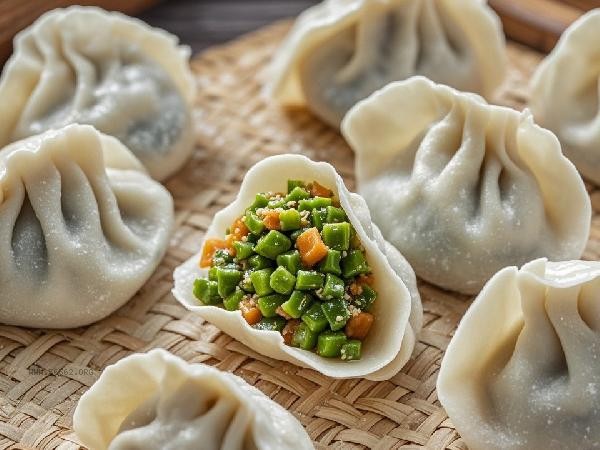
1. Low freezing temperature
If the temperature in the freezer compartment of a household refrigerator is below minus 18 degrees Celsius, the moisture in the dough will form large ice crystals, damaging the gluten structure. It is recommended to adjust the temperature of the freezer to the range of minus 12 to minus 15 degrees Celsius to reduce the physical damage of ice crystals to dumpling wrappers. Using an independent temperature controlled drawer to store dumplings yields better results.
2. Loss of moisture from the dough
and insufficient moisture or awakening time during dough production can lead to a decrease in the extensibility of the dough. When making frozen dumplings, it is recommended to adjust the ratio of flour to water to 2:1. After kneading, cover with a damp cloth and let it rise for at least 30 minutes. A small amount of egg white or vegetable oil can be added to the dough to enhance its toughness.
3. Filling Expansion
Vegetable filling undergoes cell rupture and water release during freezing, and volume expansion generates pressure during thawing. When processing leafy vegetables, they should be blanched and the water should be squeezed out first, and the meat filling should be thoroughly stirred and vigorously. It is recommended to eat chives, eggs, and other easily watery fillings immediately, and not to store them frozen for a long time.
4. Improper packaging
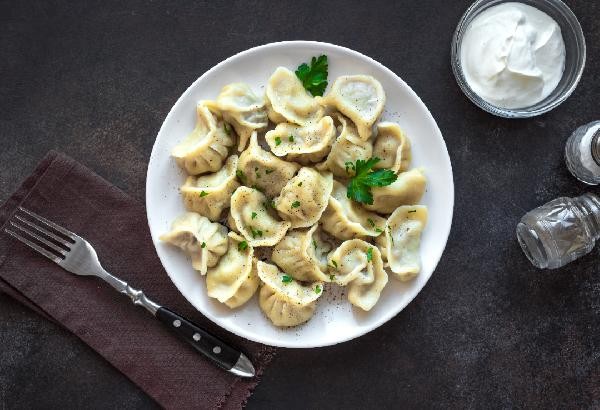
Directly exposing and storing dumplings can cause moisture sublimation on the surface. Food grade sealed bags should be used for packaging, and after removing air from the bag, they should be flattened and frozen. Each bag should hold no more than 20 items to avoid stacking and pressure. Wrapping with plastic wrap before bagging can provide dual protection.
5. Repeated thawing
temperature fluctuations will accelerate the aging and cracking of the skin. Dumplings planned for consumption should be transferred to the refrigerator 4 hours in advance and slowly thawed. Uncooked frozen and cracked dumplings can be steamed by spraying water on the surface. When boiling, use a spoon to gently push along the edge of the pot to prevent sticking. Preventing frost cracking requires full control from raw material selection to storage methods. When making dough, use high gluten flour, pay attention to controlling the water content of the filling, and pinch tightly when wrapping. Arrange the dumplings individually and pre freeze them for 1 hour before packaging them together. Check the sealing before consumption. The frozen cracked dumplings can be used as fried dumplings or Steamed dumplings. High temperature cooking can gelatinize the starch at the crack to form a protective layer. It is recommended to use a vacuum packaging machine for long-term storage, which can be combined with food desiccants to preserve for a longer period of time. Pay attention to the thickness of the refrigerator frost layer and regularly defrost to maintain cooling efficiency.








Comments (0)
Leave a Comment
No comments yet
Be the first to share your thoughts!