
Moderate consumption of fruits such as apples, grapefruits, blueberries, avocados, strawberries, etc. can help lower cholesterol. These fruits are rich in dietary fiber, plant sterols, and antioxidants, which can help regulate blood lipid levels.

1. Apples
Apples are rich in pectin and dietary fiber, which can combine with bile acids to promote cholesterol excretion. Apple polyphenols can also inhibit the oxidation of low-density lipoprotein and reduce lipid deposition in blood vessel walls. It is recommended to consume with skin to preserve more nutrients.
2. Grapefruit
Naringin and vitamin C in grapefruit have a synergistic lipid-lowering effect, which can promote cholesterol metabolism. Red heart grapefruit contains lycopene, which can also improve vascular elasticity. When consuming, be careful to avoid taking it together with some lipid-lowering drugs.
III. Blueberries
Blueberries are rich in anthocyanins and tannic acid, which can enhance the activity of low-density lipoprotein receptors and accelerate cholesterol clearance. Its antioxidant components can also reduce vascular inflammatory reactions, and it is recommended to consume fresh blueberries daily.
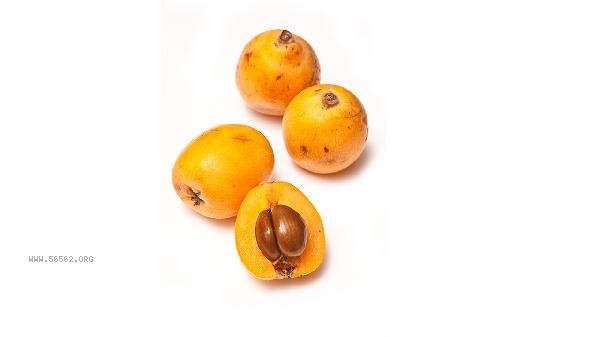
4. Avocado
Avocado contains a large amount of monounsaturated fatty acids and plant sterols, which can directly competitively inhibit cholesterol absorption. Its rich potassium element helps maintain normal blood pressure levels and is suitable for making salads.
V. Strawberries
Tannic acid and vitamin C in strawberries can regulate the activity of liver cholesterol synthase. Its water-soluble dietary fiber can delay fat absorption, and it is recommended to choose fresh strawberries with moderate maturity for consumption.
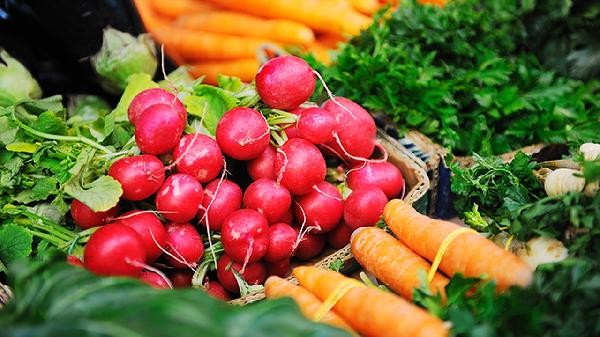
In addition to fruit intake, it is recommended to consume foods rich in omega-3 fatty acids such as whole grains and deep-sea fish, and limit animal organs and fried foods. Maintain moderate exercise every week and avoid prolonged sitting. Individuals with high cholesterol levels should undergo regular blood lipid testing and, if necessary, receive medication treatment under the guidance of a doctor. Be aware that individuals may have allergic reactions to fruits, and adjust their diet structure promptly if discomfort occurs.








Comments (0)
Leave a Comment
No comments yet
Be the first to share your thoughts!