
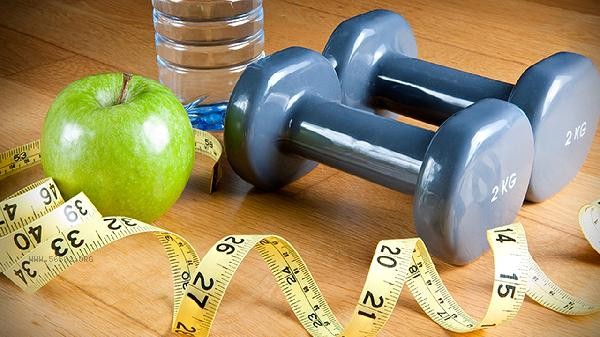
If you want to lose weight, you can eat fruits such as grapefruit, apples, blueberries, kiwis, strawberries, etc. in moderation, but these fruits do not have direct weight loss effects. It is recommended to combine dietary control and exercise.

1. Fruit
Pomelo is rich in vitamin C and dietary fiber, with low calories, which helps promote gastrointestinal peristalsis and reduce fat accumulation. The naringin in grapefruit may help regulate blood lipids, but excessive consumption may affect drug metabolism. Apples contain pectin and polyphenols, which can increase satiety and delay gastric emptying time. Ursolic acid in apple peels helps reduce visceral fat formation. Blueberries are rich in anthocyanins and antioxidants, which can help reduce inflammatory reactions and improve metabolic syndrome. Polyphenols in blueberries may inhibit adipocyte differentiation. Kiwi fruit is rich in vitamin C and kiwi protease, which helps with protein digestion and metabolism. The low glycemic index of kiwifruit is suitable for consumption during weight loss. Strawberries are low in calories and contain a lot of water, and the tannic acid component in them may help block the process of fat absorption.
II. Precautions
Some fruits such as durian, lychee, banana, etc. have high sugar content, so it is necessary to control the intake during weight loss. Even low sugar fruits should not be consumed in excess, and it is recommended to limit daily fruit intake to 200-350 grams. Fruits are best consumed between meals to avoid eating immediately after meals that may affect digestion and absorption. People with weak gastrointestinal function should avoid consuming acidic fruits on an empty stomach. Patients with diabetes need to choose low glycemic index fruits and control the total amount under the guidance of doctors.

Losing weight requires establishing a long-term healthy lifestyle. In addition to consuming low calorie fruits in moderation, it is also necessary to ensure the intake of high-quality protein and whole grains, and avoid high-fat and high sugar foods. It is recommended to engage in 150 minutes of moderate intensity exercise per week, such as brisk walking, swimming, etc. Lack of sleep can affect leptin secretion, so it is important to ensure 7-8 hours of sleep per day. Extreme dieting may lead to malnutrition and metabolic disorders. If you need professional weight loss guidance, you can consult a nutritionist. Changes in body fat percentage are more indicative of weight loss than simple weight loss, and it is recommended to regularly monitor through a body fat scale.








Comments (0)
Leave a Comment
No comments yet
Be the first to share your thoughts!