
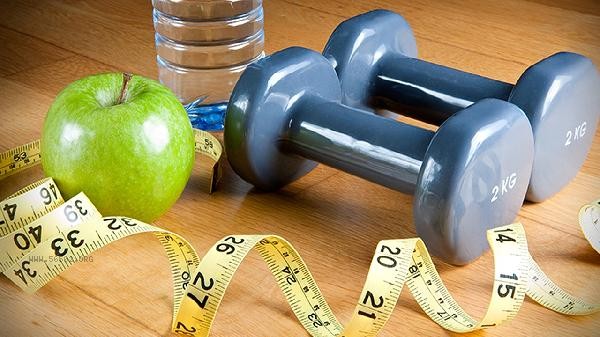
During the weight loss period, it is recommended to eat low sugar and high fiber fruits such as apples, kiwis, pomelos, blueberries, and strawberries in moderation for dinner, which can help control calorie intake and promote metabolism. It is important to avoid high sugar fruits such as durian and lychee, and to maintain a balanced diet.

1. Apples
Apples are rich in pectin and dietary fiber, which can increase satiety and delay gastric emptying. Each 100 grams of apple contains approximately 52 calories, and its low glycemic index can prevent severe postprandial blood sugar fluctuations. Polyphenols in apples help regulate gut microbiota and have potential benefits in improving metabolic syndrome. It is recommended to consume it with the skin intact to retain more nutrients, but it is necessary to thoroughly clean and remove surface pesticide residues.
2. Kiwi
Kiwi has a higher vitamin C content than oranges, with only 61 calories per 100 grams. The kiwifruit protease it contains can help break down proteins and promote digestion and absorption. The dietary fiber content reaches 3g/100g, which can effectively improve constipation problems. Choosing slightly softer mature fruits is more conducive to nutrient release, but those with excessive stomach acid should control their intake.
3. Pomelo
Pomelo has approximately 42 calories per 100 grams and is rich in naringin, which promotes fat metabolism, and the B vitamins. Its unique bitter ingredients can suppress appetite, and high water content helps increase food satisfaction. Be aware that grapefruit may interact with some antihypertensive drugs, and consult a doctor during medication. It is recommended to consume in portions to avoid excessive consumption, with each portion weighing less than 200 grams.

4. Blueberries
Blueberries are a typical low sugar syrup fruit, with 57 calories per 100 grams and a glycemic index of only 53. Anthocyanin content ranks among the top in fruits, with anti-inflammatory and antioxidant properties. Frozen blueberries have comparable nutritional value to fresh fruits and can be used as an alternative option. The recommended daily intake is 50-100 grams, as excessive intake may cause mild diarrhea.
5. Strawberries
Strawberries have a moisture content of over 90% and a calorie content of 32 kcal/100g, making them suitable as low calorie snacks. The tannic acid contained can inhibit amylase activity and reduce carbohydrate absorption. The small seeds on the surface provide additional dietary fiber. Choose fresh strawberries with a bright red color and a green stem, and avoid adding high calorie ingredients such as sugar or cream. During the weight loss period, it is advisable to control the intake of fruits for dinner within 200 grams, preferably consumed 30 minutes before meals to enhance satiety. Avoid juicing fruits for consumption, as this can damage dietary fiber and accelerate sugar absorption. Suggest pairing with high-quality protein such as sugar free yogurt or nuts to form a more balanced nutritional combination. Long term persistence requires regular exercise and full day calorie control. Relying solely on fruits for weight loss may lead to malnutrition. When experiencing discomfort in the stomach or abnormal blood sugar levels, it is necessary to adjust the diet plan in a timely manner.








Comments (0)
Leave a Comment
No comments yet
Be the first to share your thoughts!