
Fruits such as apples, oranges, pomelos, pineapples, and kiwis are relatively resistant to storage and less prone to decay. These fruits have thick skin or special tissue structure, which can effectively delay water loss and microbial invasion, making them suitable for long-term storage.
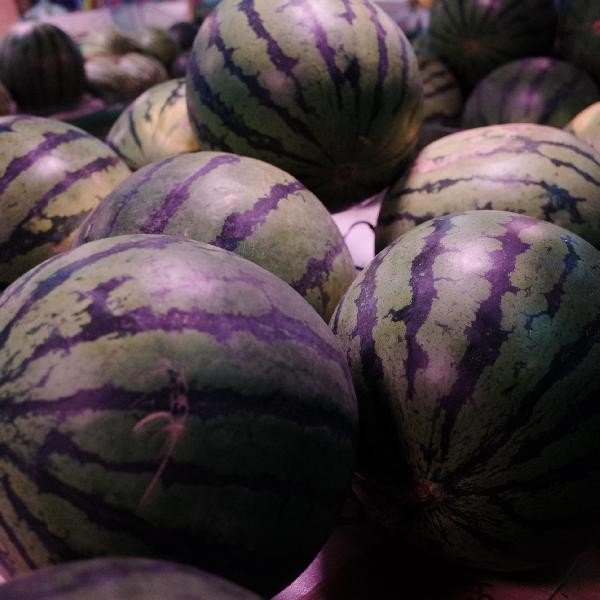
1. Apples
The skin of apples contains a natural wax layer, which can reduce water evaporation and prevent bacterial invasion. Undamaged apples can be stored for several weeks in a cool environment, and have a longer shelf life under refrigeration conditions. Choose late maturing varieties such as Fuji or Red Fuji with high hardness and no bumps for better storage performance. Be careful not to store it with fruits that release ethylene to avoid accelerating ripening.
2. Oranges
The dense skin and rich essential oil components of oranges have antibacterial effects and can be stored at room temperature for about two weeks. Varieties such as navel oranges and blood oranges that are intact and free of mold have strong storage tolerance. When storing, it is necessary to keep it ventilated and dry. A humid environment can easily cause the fruit peel to mold. The peeled orange petals should be consumed as soon as possible to avoid the oxidation and loss of vitamin C.
3. Pomelo
The thick sponge layer of grapefruit can cushion external impacts, and naringin in the peel can inhibit the growth of spoilage bacteria. Shatian pomelo, honey pomelo and other varieties can be preserved for one month in an environment of 10-15 ℃. It is recommended to use a mesh bag for hanging during storage to avoid mechanical damage caused by stacking pressure. Slight wrinkling of the skin does not affect the quality of the fruit pulp, but if it becomes soft and seeps water, it needs to be treated immediately.
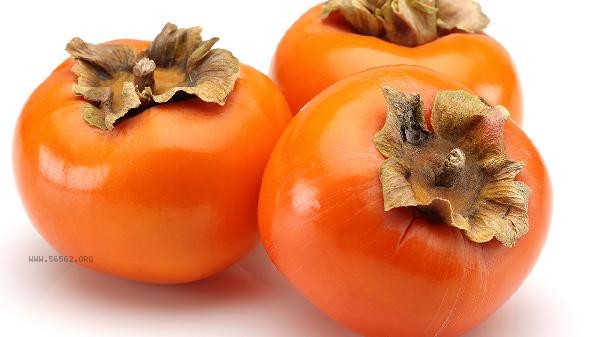
4. Pineapple
The hard shell and low pH flesh of pineapple can resist some microorganisms. Unpeeled intact pineapples can be stored in a cool place for 5-7 days, and refrigerated storage can be extended to two weeks. When selecting, choose mature fruits with emerald green leaves and plump fruit eyes. Inverted storage helps with sugar deposition. Cut pineapples should be sealed and refrigerated, and consumed as soon as possible.
5. Kiwi
After ripening, kiwifruit has a high pectin content and a tight texture that is not easily soft and rotten. Hard meat varieties such as Hayward can be stored for more than three weeks under refrigeration conditions. When purchasing, choose slightly harder fruits and place them separately from apples and bananas to control the ripening speed. When the skin burrs fall off or become locally soft, it should be consumed first to avoid fermentation and deterioration.
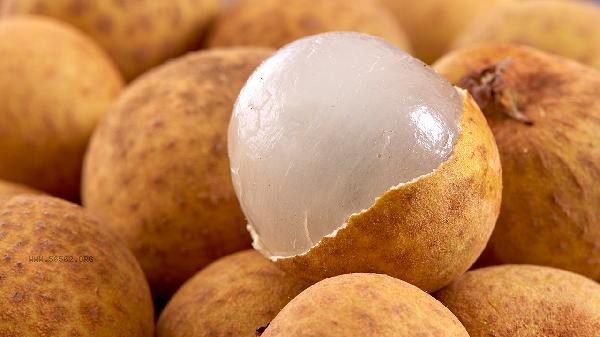
When storing durable fruits, attention should be paid to maintaining a dry and ventilated environment, and the temperature should be controlled at 10-15 ℃. Regularly inspect and remove rotten fruits to avoid cross contamination. For cut fruits, wrap them in plastic wrap and refrigerate them for consumption within 24 hours. Eating different types of fruits in combination can provide more comprehensive nutrients. It is recommended to purchase them in batches according to household consumption to ensure freshness and reduce waste. Citrus fruits and berries should be stored separately, and high sugar varieties should be protected from ant and insect bites.








Comments (0)
Leave a Comment
No comments yet
Be the first to share your thoughts!