
Hawthorn, apple, lemon, grapefruit, kiwi and other fruits can help reduce oil absorption or promote fat breakdown, but it should be noted that fruits themselves cannot directly eliminate body fat.
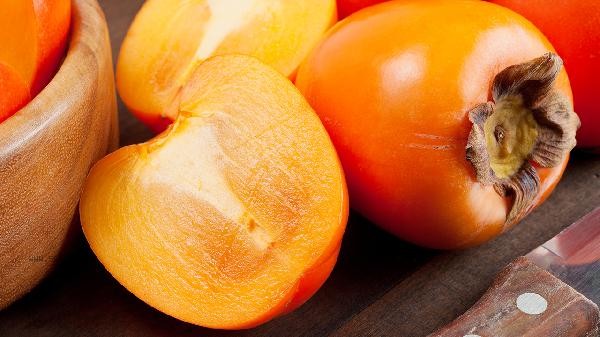
1. Hawthorn
Hawthorn is rich in pectin and organic acids, which can enhance the activity of gastric protease and help break down meat fat. Its flavonoids can reduce the levels of low-density lipoprotein cholesterol in the blood and decrease lipid deposition. Fresh hawthorn or dried hawthorn soaked in water can help regulate blood lipids, but those with excessive stomach acid should control their intake.
2. Apples
The ursolic acid contained in apple peel can promote brown fat production and enhance calorie expenditure. Soluble dietary fiber pectin can bind with cholesterol in the intestine and be excreted from the body. Daily consumption of apples with skin on is more effective. Apple polyphenols can also inhibit adipocyte differentiation and are suitable as a healthy snack between meals.
III. Lemon
Citric acid in lemon can activate key enzymes in fat metabolism, and vitamin C can promote carnitine synthesis to help transport fatty acids. Drinking lemon water in the morning can stimulate the secretion of emulsified fat in bile, but it should be consumed through a straw to avoid damaging tooth enamel. Its unique citrus polyphenols can also inhibit fat absorption.

4. Grapefruit
Grapefruits contain norkacin and naringin, which can accelerate the process of fat oxidation for energy supply. Research has found that its aroma components can stimulate the activity of lipolytic enzymes through sympathetic nervous system stimulation, and consuming half a pill before meals has a better effect. But those taking antihypertensive drugs or statins should avoid taking them together.
V. Kiwi
Kiwi alkaloids can block the absorption of fat in the intestine, and their proteases can break down proteins to reduce oil intake. Containing 3 grams of dietary fiber per 100 grams can increase satiety, and vitamin E and polyphenols work together to protect cell membranes from lipid peroxidation damage.
It is recommended to include the above fruits in a balanced diet plan, and consume them in combination with whole grains and high-quality protein for better results. Attention should be paid to controlling the total amount of fruits in a single day at 200-350 grams to avoid excessive intake of sugar. Chronic disease patients should consult with gastrointestinal sensitive individuals before consumption to avoid consuming acidic fruits on an empty stomach. Maintaining a reasonable dietary structure and regular exercise over the long term is the fundamental way to control body fat.








Comments (0)
Leave a Comment
No comments yet
Be the first to share your thoughts!