
The recommended foods to eat less during weight loss include high sugar foods, high-fat foods, high salt foods, refined carbohydrates, and deeply processed foods.

1. High sugar foods
High sugar foods include sugary drinks, pastries, candies, etc., which contain a large amount of added sugar and are easily absorbed and converted into fat storage by the human body. Consuming too much sugar can cause fluctuations in blood sugar levels, stimulate excessive insulin secretion, and increase the probability of fat accumulation. Sugar may also affect appetite regulation, causing people to have more desire to eat. Common high sugar foods include carbonated drinks, milk tea, chocolate, ice cream, etc.
2. High fat foods
High fat foods such as fried foods, fatty meat, butter, etc. contain a large amount of saturated fatty acids and trans fatty acids. This type of fat is not easily metabolized by the human body and can easily accumulate in the body, leading to obesity. Fried foods can also produce harmful substances during high-temperature cooking. Fried chicken, French fries, deep-fried dough sticks, pastries, etc. are typical high-fat foods. Moderate intake of healthy fats such as nuts and deep-sea fish is beneficial to the body.
3. High salt foods
Pickled foods, processed meats, instant noodles, and other high salt foods can cause water retention and affect fluid balance. Excessive salt intake can stimulate appetite and make people unconsciously consume more calories. Common high salt foods such as pickles, cured meats, and sausages often contain additives such as nitrite. Long term high salt diet may increase the risk of hypertension and is not conducive to weight management.

4. Refined carbohydrates
Refined white rice noodles, Mantou, bread and other refined carbohydrates have been deeply processed, and dietary fiber and other nutrients have been seriously lost. This type of food has a high glycemic index, which can easily lead to a rapid increase and then a rapid decrease in blood sugar, causing hunger. Excessive consumption can be converted into fat storage. It is recommended to choose whole grains, brown rice and other coarse grains as alternatives to refined carbohydrates.
5. Deep processed foods
Sausage, canned food, frozen food, and other deep processed foods often contain a large amount of preservatives, pigments, and seasonings. These additives may affect metabolism and interfere with normal appetite regulation mechanisms. Nutrients are destroyed during the processing, but the heat is high. Frequent consumption of such foods is not conducive to weight control and maintaining health.
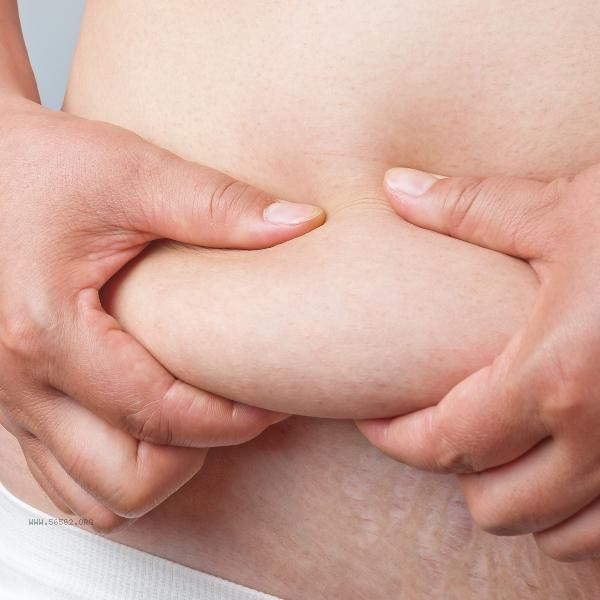
During weight loss, it is recommended to maintain a balanced diet, consume high-quality protein such as eggs and lean meat in moderation, and eat more fresh vegetables and fruits to supplement vitamins and dietary fiber. It is recommended to choose low-temperature cooking methods such as steaming, boiling, and stewing to avoid deep frying. Developing a habit of chewing slowly can help control food intake. Combining moderate exercise can increase metabolic rate and help achieve healthy weight goals faster. Losing weight is a gradual process, and it is not recommended to excessively diet or completely eliminate certain foods. Long term adherence to a healthy lifestyle is the key to controlling weight.








Comments (0)
Leave a Comment
No comments yet
Be the first to share your thoughts!