
Patients with high fat should avoid foods high in fat, cholesterol, sugar, and refined carbohydrates, mainly including fatty meat, animal organs, fried foods, cream products, and processed foods containing trans fatty acids.
1. Fat meat
The content of saturated fat in fat meat is high. Long term intake will increase the level of low-density lipoprotein cholesterol in the blood and increase the risk of atherosclerosis. Meat with visible fat such as pork belly and beef brisket should be strictly controlled, and it is recommended to choose high-quality protein alternatives such as chicken breast and fish meat.
2. Animal organs
Pig liver, chicken heart and other animal organs have much higher cholesterol content than lean meat, with about 300 milligrams of cholesterol per 100 grams of pig liver. A high cholesterol diet can promote the secretion of bile acids, which may induce gallbladder disease and increase the probability of vascular endothelial damage.
3. Fried food
deep-fried dough sticks, fried chicken and other foods will produce acrylamide and other harmful substances after being fried at high temperature, and the oil absorption rate can reach 15% -20%. The content of trans fatty acids in repeatedly used frying oil significantly increases, which can interfere with normal lipid metabolism processes.
4. Cream products
Cake, ice cream, etc. contain a large amount of dairy fat and added sugar, and some products use hydrogenated vegetable oil. This type of food has a high calorie density, which can easily lead to excess energy and may also reduce insulin sensitivity, exacerbating lipid metabolism disorders.
5. Trans fatty acid foods
Processed foods such as margarine and vegetable fat powder contain industrial trans fatty acids, which can increase low-density lipoprotein and decrease high-density lipoprotein. Daily intake of more than 2 grams of trans fatty acids can significantly increase the risk of cardiovascular disease.
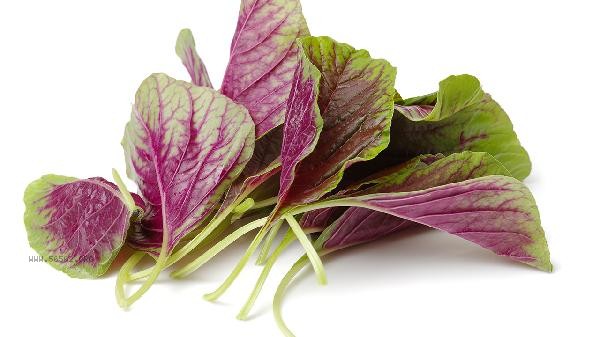
People with high fat should increase their intake of dietary fiber in their daily diet, such as oats and miscellaneous grains, which can be combined with the excretion of bile acids in the intestine. It is recommended to use low-temperature treatment such as steaming and stewing for cooking to avoid stir frying and deep frying. Maintaining moderate aerobic exercise every week, such as brisk walking, swimming, etc., can help improve lipid metabolism. Regularly monitor changes in blood lipid indicators and, if necessary, use lipid-lowering drugs under the guidance of a doctor. Pay attention to maintaining a regular schedule and avoid behaviors that affect liver lipid metabolism, such as staying up late.








Comments (0)
Leave a Comment
No comments yet
Be the first to share your thoughts!