
High blood lipids and blood sugar can be treated with moderate consumption of oats, broccoli, deep-sea fish, soy products, bitter melon, and other foods. It is also recommended to follow medical advice and take atorvastatin calcium tablets, metformin hydrochloride tablets, regorazine tablets, fenofibrate capsules, acarbose tablets, and other medications. It is recommended to seek medical attention promptly, actively cooperate with doctors for treatment, take appropriate medication under the guidance of doctors, and do a good job in dietary regulation.

1. Food
1. Oats
Oats are rich in soluble dietary fiber, which helps to delay glucose absorption, reduce postprandial blood sugar peak, and also reduce intestinal absorption of cholesterol. β - glucan in oats can improve insulin sensitivity and is suitable as a staple food substitute for people with abnormal blood lipids and glucose levels.
2. Western Blue Flower
Western Blue Flower contains abundant chromium and dietary fiber. Chromium is a component of glucose tolerance factor and can enhance the efficiency of insulin action. The metabolites of glucosinolates it contains have anti-inflammatory effects and can improve endothelial function.
3. Deep sea fish
Salmon, sardine and other deep sea fish are rich in ω -3 polyunsaturated fatty acids, which can reduce the level of triglycerides in the blood and reduce the risk of atherosclerosis. Eating 2-3 times a week can improve lipid metabolism, but it is important to avoid cooking methods such as high-temperature frying.
4. Soybean products
Bean curd, soybean milk and other soybean products contain soybean isoflavones and high-quality protein, and plant sterols can competitively inhibit cholesterol absorption. Its low glycemic index characteristic helps stabilize blood sugar levels, but individuals with abnormal kidney function need to control their intake.
5. Bitter gourd
Bitter gourd glycosides and peptide P in bitter gourd have insulin-like effects and can promote glucose utilization. Fresh bitter melon juice or stir fried food can assist in regulating blood sugar, but those with weak gastrointestinal function should avoid consuming large amounts on an empty stomach.
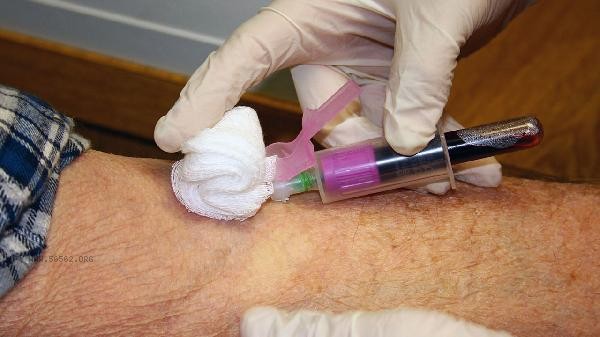
2. Medication
1. Atorvastatin calcium tablets
belong to the statin lipid-lowering class, which reduces low-density lipoprotein cholesterol by inhibiting cholesterol synthase and is suitable for patients with hypercholesterolemia. Adverse reactions such as muscle soreness may occur, and regular monitoring of liver function is necessary during medication.
2. Metformin hydrochloride tablets [SEP], as the first-line drug for type 2 diabetes, can inhibit the output of liver glycogen and improve the sensitivity of peripheral tissue to insulin. Common gastrointestinal reactions are prohibited for patients with renal insufficiency.
3. Retaglinide tablets
are non sulfonylurea insulin secretagogues, which can rapidly reduce postprandial blood glucose and are suitable for diabetes patients with irregular diet. Attention should be paid to the possibility of causing hypoglycemia, and it should be taken together with the main meal.
4. Fenofibrate Capsules
Betrate class lipid-lowering drugs, mainly used to reduce triglyceride levels, can activate peroxisome proliferator activated receptors. Combined use with statins may increase the risk of rhabdomyolysis.
5. Acarbose tablets
are alpha glucosidase inhibitors that delay carbohydrate breakdown and absorption, effectively controlling postprandial blood glucose elevation. During medication, there may be gastrointestinal symptoms such as bloating, and it is necessary to adapt from a small dose. People with abnormal blood lipids and blood sugar levels should establish a long-term dietary management plan, with a daily intake of one-third of coarse grains and no less than 500 grams of vegetables. The main cooking method is steaming and stewing, with a daily limit of 25 grams of edible oil. Perform 150 minutes of moderate intensity aerobic exercise per week, such as brisk walking, swimming, etc. Regularly monitor blood lipid and blood glucose levels, and avoid smoking and drinking alcohol. Individuals with combined overweight should gradually lose weight and maintain a BMI below 24. If discomfort symptoms such as dizziness and palpitations occur, seek medical attention promptly and adjust the treatment plan.









Comments (0)
Leave a Comment
No comments yet
Be the first to share your thoughts!