
Patients with high blood sugar and thick blood can eat moderate amounts of oats, broccoli, deep-sea fish, black fungus, bitter gourd and other foods. These foods help regulate blood sugar, improve blood viscosity, and require a balanced diet and guidance from a doctor.
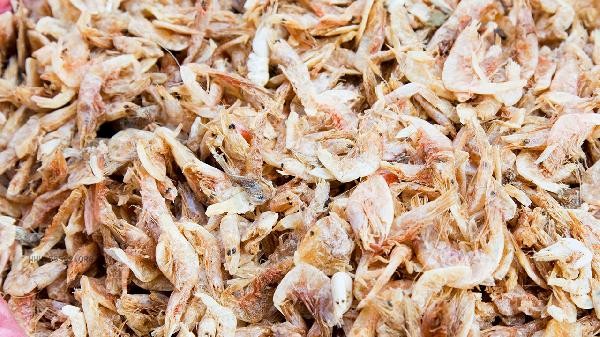
1. Food
1. Oats
Oats are rich in soluble dietary fiber, which can delay glucose absorption and help stabilize postprandial blood sugar. The β - glucan it contains can reduce low-density lipoprotein cholesterol levels in the blood and improve blood viscosity. It is recommended to choose unprocessed steel cut oats or traditional oatmeal to avoid sugar containing instant products.
2. broccoli
broccoli contains chromium and glucosinolates, which can enhance insulin sensitivity. Its rich vitamin C and dietary fiber can reduce endothelial oxidative damage and assist in reducing blood viscosity. It is recommended to blanch or steam quickly during cooking to preserve nutrients.
3. Deep sea fish
Salmon, sardine and other deep sea fish are rich in Omega-3 fatty acids, which can inhibit platelet aggregation and improve microcirculation. Eating 2-3 times a week can regulate blood lipid metabolism, but it is necessary to avoid high-fat cooking methods such as frying.
4. Black fungus
Black fungus contains polysaccharides and plant gums, which have antiplatelet effects similar to aspirin. Its low calorie and high fiber properties make it suitable as a blood sugar management ingredient, which can be used for cold mixing or boiling soup after soaking.
5. Bitter gourd
Bitter gourd saponins and polypeptide-P in bitter gourd have insulin-like effects, which can promote the utilization of glucose by peripheral tissues. When consuming freshly squeezed bitter melon juice or stir fried, pay attention to controlling the amount to avoid gastrointestinal discomfort.
2. Drug
1. Metformin hydrochloride tablets
are used as basic hypoglycemic drugs to improve insulin resistance by inhibiting hepatic glucose output. Attention should be paid to the possibility of causing gastrointestinal reactions, and caution should be used with renal insufficiency.
2. Acarbose tablets
- α - glucosidase inhibitors can delay carbohydrate breakdown and are suitable for individuals with postprandial hyperglycemia. Diabetes diet should be taken during the medication period.
3. Glimeprazole tablets
Sulfonylurea secretagogues can stimulate pancreatic beta cells to secrete insulin, and caution should be taken during use to avoid the risk of hypoglycemia.
4. Sitagliptin tablets
DPP-4 inhibitors regulate blood glucose by prolonging the action time of endogenous GLP-1, with minimal impact on body weight.
5. Atorvastatin Calcium Tablets
Statins can reduce total cholesterol and low-density lipoprotein, and improve hemorheological indicators. Patients with high blood sugar and blood viscosity need to establish a regular three meal habit, with coarse grains accounting for no less than one-third of the daily staple food. Use unsaturated fatty acids such as olive oil for cooking, and limit daily salt intake to no more than 5 grams. Engage in moderate intensity aerobic exercise for at least 150 minutes per week, such as brisk walking, swimming, etc. Regularly monitor blood glucose, blood lipids, and hemorheological indicators, and seek medical attention promptly if symptoms such as blurred vision and limb numbness occur. The use of medication must strictly follow medical advice and the dosage cannot be adjusted by oneself.








Comments (0)
Leave a Comment
No comments yet
Be the first to share your thoughts!