
Bitter gourd cultivation mainly relies on decomposed organic fertilizers, with the best effect achieved when combined with nitrogen phosphorus potassium compound fertilizers. The selection of fertilizers should consider factors such as soil conditions and growth stages, mainly including composted farmyard manure, cake manure, plant ash, bio bacterial fertilizer, trace element fertilizer, and other types.
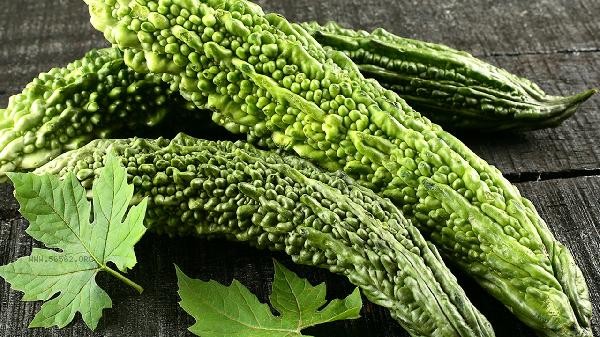
1. Fermented Farm Fertilizer
Fermented pig manure, chicken manure and other farm fertilizers are rich in organic matter, which can improve soil particle structure and slowly release nutrients. Applying 2000-3000 kilograms per acre during the basal fertilizer stage, combined with deep plowing of the soil, can promote root development. Attention must be paid to complete decomposition to avoid root burning and the spread of pests and diseases.
2. Cake fertilizer
Plant derived fertilizers such as rapeseed cake and soybean cake have high nitrogen content and are suitable for topdressing before flowering. Crush the cake fertilizer and mix it with soil, or soak and ferment it to make liquid fertilizer for irrigation, which can promote stem and leaf growth. The dosage per acre should be controlled at 100-150 kilograms, as excessive use can lead to excessive growth.
3. Plant ash
If the potassium content of plant ash exceeds 5%, topdressing during the flowering and fruiting period can improve fruit setting rate and fruit quality. After spreading, plow lightly into the soil or prepare a 1% leaching solution for foliar spraying. Be careful to avoid mixing with ammonium nitrogen fertilizers to prevent ammonia volatilization and loss. Saline alkali land requires controlled usage to prevent soil compaction.
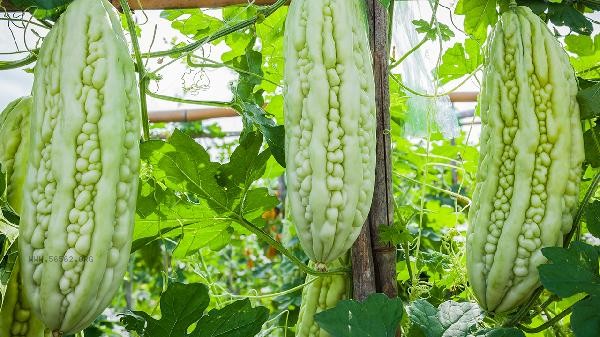
4. Microbial fertilizer
is a microbial fertilizer containing beneficial bacteria such as Bacillus subtilis, which can activate soil nutrients and prevent soil borne diseases. Ditch or hole application during planting, combined with organic fertilizer for better results. After use, keep the soil moist to maintain microbial activity and avoid using it together with fungicides.
5. Trace element fertilizer
Supplementing with trace elements such as boron and zinc during the fruiting period can prevent abnormal fruit. Use chelated micro fertilizer foliar spraying, with a concentration controlled at 0.1% -0.3%. Calcium fertilizer can solve the problem of umbilical rot by applying gypsum as a base or spraying calcium sources during the growth period. Pay attention to supplementing according to the soil testing results.
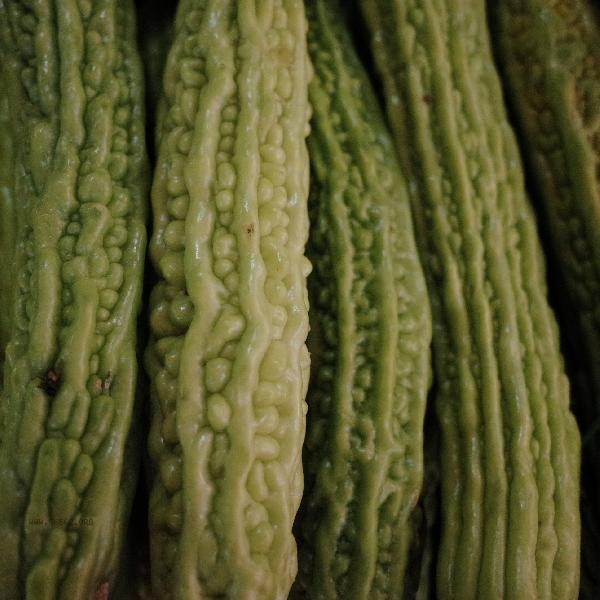
During the growth period of bitter gourd, scientific fertilization should be applied in stages. During the seedling stage, nitrogen fertilizer should be emphasized to promote plant formation. Before flowering, phosphorus fertilizer should be added to promote flower bud differentiation. During the fruiting stage, potassium fertilizer should be strengthened to improve quality. Suggest using soil testing formula fertilization technology, combined with drip irrigation system to improve fertilizer efficiency. Regularly cultivate and loosen the soil to maintain root vitality, and pay attention to drainage and flood prevention during the rainy season. When using organic fertilizer in combination with chemical fertilizer, it is advisable to have a 7-10 day interval between the two. Stop fertilizing 15 days before harvesting to ensure the safety of agricultural products.








Comments (0)
Leave a Comment
No comments yet
Be the first to share your thoughts!