
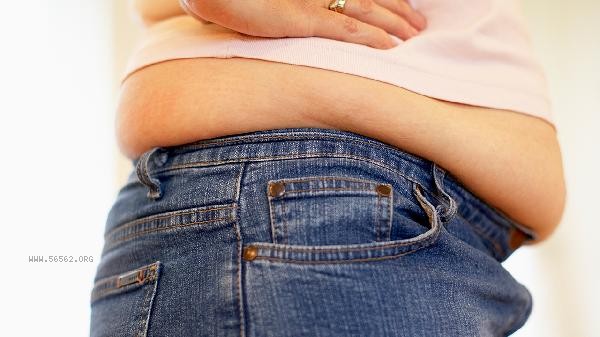
Weight loss can be achieved through activities such as jogging, swimming, skipping rope, cycling, and climbing stairs. Combining dietary control with regular sleep patterns yields better results.

1. Slow jogging
Slow jogging is a typical aerobic exercise that can effectively burn calories and improve cardiovascular function. It is recommended to do it 3-5 times a week for at least 30 minutes each time to activate fat metabolism. First time exercisers can adopt interval running to avoid joint injuries. Before and after exercise, it is necessary to fully stretch the lower limb muscles. For those with a large body weight, a plastic track should be chosen to reduce knee pressure.
2. Swimming
Swimming achieves coordinated muscle movement throughout the body through the resistance of water, and can burn 500-700 calories per hour, making it particularly suitable for overweight individuals. breaststroke and freestyle have significant effects on shaping the waist and abdomen, and maintaining a water temperature of 26-28 ℃ can prevent muscle spasms. Pay attention to replenishing fluids in a timely manner after swimming, and avoid immediately entering water on an empty stomach or after a full meal.
III. Jump Rope
Jump rope belongs to high-intensity interval exercise, and ten minutes of training is equivalent to the energy consumption of jogging for half an hour. It is recommended to start gradually from 100-200 times a day and use forefoot landing to protect the knee joint. Patients with combined cardiovascular diseases should undergo exercise under the guidance of a doctor, and may choose to use cordless skipping rope to reduce the risk of sports injuries.
4. Cycling
Both outdoor cycling and indoor spinning can strengthen the lower limb muscles and achieve a rapid increase in heart rate when adjusting resistance. Maintaining a pedaling frequency of 60-80 revolutions per minute can continuously burn fat, and the seat height needs to be adjusted to a slightly flexed knee joint. Riders should wear protective equipment, and patients with lumbar disc herniation should avoid prolonged bending positions.
Fifth, climbing stairs
is a resistance exercise that utilizes self weight, and the heart rate can reach 70% -80% of the maximum value when climbing stairs. Persisting for 15-20 minutes daily can significantly improve hip and leg lines. It is recommended to take the elevator when going downstairs to reduce knee cartilage wear. People with osteoporosis or ankle instability need armrest assistance and should avoid holding their breath and exerting force.

Weight loss exercise should be maintained at a frequency of 4-6 times a week, with each session lasting no less than 30 minutes. Maintaining a heart rate between 60% and 80% of the maximum heart rate during exercise is most effective. A balanced diet that combines high-quality protein and dietary fiber, avoiding the intake of high sugar and high-fat foods. Warm up and relax before and after exercise. If discomfort such as joint pain or chest tightness occurs, stop immediately and seek medical evaluation. It is recommended to regularly adjust the exercise plan to prevent plateau periods, and ensuring 7-8 hours of sleep time can help with metabolic recovery.








Comments (0)
Leave a Comment
No comments yet
Be the first to share your thoughts!