
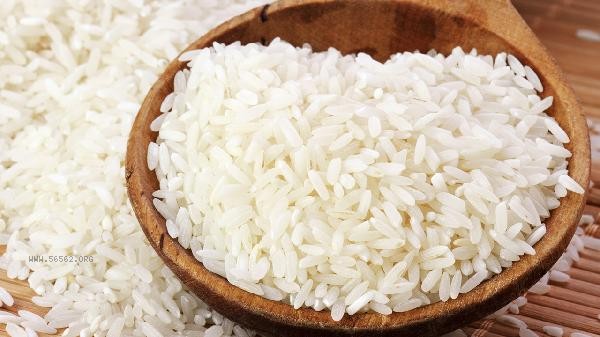
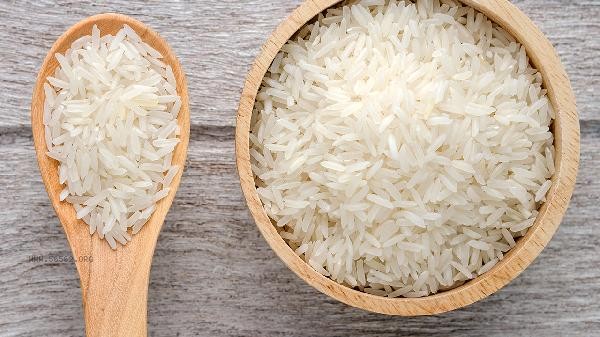
Adding natural spices such as Sichuan peppercorns, dried chili peppers, garlic, star anise, cinnamon, etc. to rice can effectively prevent insects. The special odor emitted by these materials can drive away rice pests and will not affect the safety of rice consumption.
1. Sichuan pepper
Sichuan pepper contains volatile oil and limonene, and its strong odor has a significant repellent effect on pests such as rice weevils. Put 10-15 Sichuan peppercorns into a gauze bag and place them in a rice bowl. Replace them every 3 months. Note that direct contact between Sichuan peppercorns and rice may cause a slight odor. It is recommended to use a breathable container for isolation.
2. Dried Chili
Capsaicin is a natural insecticide that can interfere with the nervous system of pests. After breaking the whole dried chili, put it in a rice bag and mix 2-3 pieces per kilogram of rice. Chili peppers should be kept away from damp environments to prevent insect infestations. If they become damp, they should be replaced promptly to prevent mold damage.
III. Garlic
Allicin has broad-spectrum antibacterial and insecticidal properties. Disperse the peeled garlic cloves into a pile of rice, using 3-4 cloves for every 5 pounds of rice. Garlic will gradually become dry and ineffective. It is recommended to check and replace it every month, and sprouted garlic should be taken out immediately.
Four, star anise
The anise ether in star anise can damage the respiratory system of pests. 3-5 octagonal tea bags are packed in tea bags and placed at the corners of the rice bucket, with insect proof effect lasting for 2 months. Octagonal odor has strong permeability and is suitable for use in rice storage containers with good sealing.
V. Cinnamon
Cinnamaldehyde can inhibit the hatching of insect eggs. A 10 centimeter long cinnamon stick is hung on the inner wall of a rice jar, or crushed into powder and sprinkled on the surface of a rice bag. Cinnamon requires a dry environment for insect prevention, as its effectiveness may weaken in humid conditions.

In addition to using natural insect repellent materials, it is recommended to store rice in a cool and dry place, using well sealed ceramic or food grade plastic containers. Check the status of rice every month, and deal with any insect eggs or mold immediately if found. A small amount of insect infested rice can be frozen for 24 hours to kill insects and then screened for pests. Severe insect infestation requires the entire batch to be discarded. Seal it promptly after daily use to avoid prolonged exposure to humid air. Reasonably control the purchase quantity, it is recommended to purchase rice for no more than half a month each time in summer.








Comments (0)
Leave a Comment
No comments yet
Be the first to share your thoughts!