
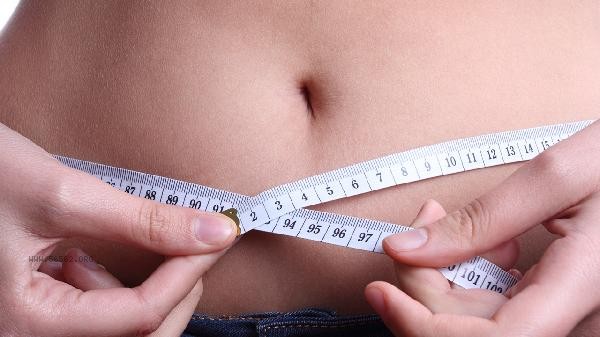
The exercise based weight loss method refers to the scientific approach of increasing energy expenditure through regular physical activity to reduce body fat and control weight. Exercise based weight loss mainly includes three core methods: aerobic exercise, strength training, and high-intensity interval training. A plan should be developed based on individual health status and exercise ability.
1. Aerobic exercise
Continuous, rhythmic low to moderate intensity exercise such as brisk walking, jogging, or swimming can effectively improve cardiovascular function and promote fat oxidation. This type of exercise usually requires a daily commitment of 30-60 minutes, and maintaining a heart rate between 60-70% of the maximum heart rate during exercise is most beneficial for fat metabolism. It is suitable as a basic weight loss method for people with various constitutions.
2. Strength training
Increasing muscle mass through equipment training or self weight exercises can burn an additional amount of calories per kilogram of muscle per day. It is recommended to perform 2-3 exercises per week targeting the large muscle group, such as squats, hard pulls, and other compound movements. After increasing muscle mass, the basal metabolic rate can continue to rise, forming a lean physique.
3. High intensity interval training

is a HIIT training consisting of short periods of intense exercise and alternating recovery periods, which can produce excessive oxygen consumption effects in a short period of time and continue to burn heat for 24 hours after exercise. This type of training can last for 15-30 minutes each time, suitable for people with time limits but good physical fitness. It is important to warm up adequately before exercising.
4. Flexibility Training
Although yoga, Pilates, and other exercises consume less energy directly, they can improve joint mobility and adjust body posture, helping to break through the weight loss plateau period. Stretching exercises combined with respiratory control 2-3 times a week can relieve muscle tension and enhance athletic performance, preventing sports injuries.
5. Daily Activity Consumption
Increasing NEAT consumption for non exercise activities such as walking, commuting, standing, and working can assist in weight loss. It is recommended to maintain a daily step count of over 8000 and take 3-5 minutes of rest and activity every hour during work. This type of scattered energy consumption can accumulate a considerable amount of energy each month.

Exercise for weight loss requires long-term persistence and attention to nutritional supplementation to avoid low blood sugar caused by fasting exercise. In the early stages of weight loss, it is not advisable to lose more than 1% of body weight per week. The exercise plan should gradually progress with physical fitness, and if necessary, professional coaches can be consulted to develop personalized plans. At the same time, ensure 7-8 hours of sleep per day to promote recovery after exercise, and replenish water and electrolytes in a timely manner before and after exercise.








Comments (0)
Leave a Comment
No comments yet
Be the first to share your thoughts!