
Oolong tea often symbolizes the doctrine of the mean and the wisdom of life in traditional culture, and its semi fermentation process implies the philosophy of balance. The symbolism of oolong tea is mainly related to regional culture, tea ceremony spirit, health concept, social etiquette, and literati elegance.
1. Regional Culture
In the Fujian, Guangdong, and Taiwan regions, oolong tea is regarded as a precious treat for guests. The brewing process of Phoenix Dancong tea in the Chaoshan Gongfu tea ceremony carries the sense of clan inheritance. The tea fighting custom of Anxi Tieguanyin Tea Tea King Competition reflects the pursuit of agricultural civilization for the ultimate skill. Tea farmers pass on their awe of nature through leaf morphology.
II. The Spirit of Tea Ceremony
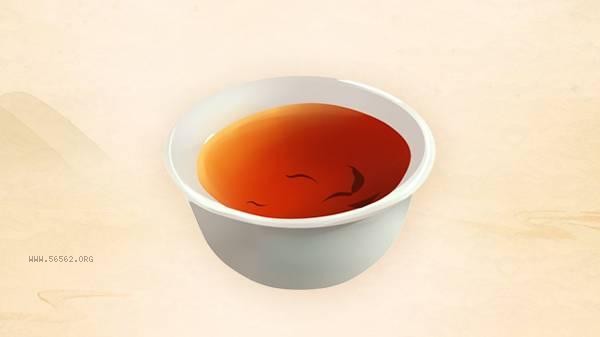
The action of Guan Gong patrolling the city in Wulong tea art symbolizes meticulous handling of affairs, while Han Xin's commanding style of pouring tea reflects the wisdom of resource allocation. The process of the color of tea soup changing from golden to amber is often extended to the precipitation and sublimation of life experience. The aesthetic of white space in the tea table arrangement echoes the Taoist concept of the interplay between reality and virtuality.
III. Health Concept
The synergistic effect of tea polyphenols and theanine symbolizes the harmony of body and mind. Traditionally, charcoal roasted oolong tea is believed to have a warm and peaceful nature, corresponding to the theory of yin-yang balance in traditional Chinese medicine. After modern research confirmed its lipid-lowering effect, oolong tea has become a physical symbol of self-discipline in daily life, and the quantitative drinking in tea ceremonies implies the virtue of moderation.
4. Social Etiquette
In the Minnan speaking region, the etiquette of pouring tea and tapping fingers is used to express hierarchy and order, while the limited drinking method of three cups in Chaoshan reflects a sense of propriety. The process of nurturing and nurturing tea pets symbolizes the cultivation of interpersonal relationships. Sharing the tradition of old tea at Taiwanese tea banquets strengthens the sense of group identity and emotional bonds.
Fifth, Literary Elegance
In the Qing Dynasty, literati tasted Wuyi rock tea with gold and stone rubbings, comparing the rock charm of tea leaves to the literary style. Modern tea spaces often use ice drop oolong tea paired with ancient book reading, continuing the traditional imagery of tea aroma and bookish atmosphere. The layering of tea soup is often used as a source of artistic inspiration.
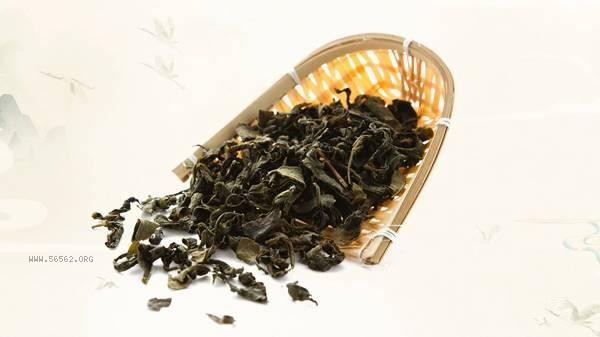
It is recommended to use porcelain covered bowls for daily consumption of oolong tea to maintain its tea properties. In the morning, it is suitable to drink fragrant Tie Guan Yin to refresh oneself, and in the afternoon, one can enjoy strong fragrant Da Hong Pao to aid digestion. When stored, it should be kept away from light and moisture. Storing it together with citrus peel can enhance the complexity of the aroma. Tea residue can be used to make sachets or compost, realizing the modern extension of the concept of tea ceremony environmental protection. Regular participation in tea party activities can provide a deep experience of its cultural connotations, and beginners can start building their taste memory from Taiwan's high-altitude oolong.








Comments (0)
Leave a Comment
No comments yet
Be the first to share your thoughts!