
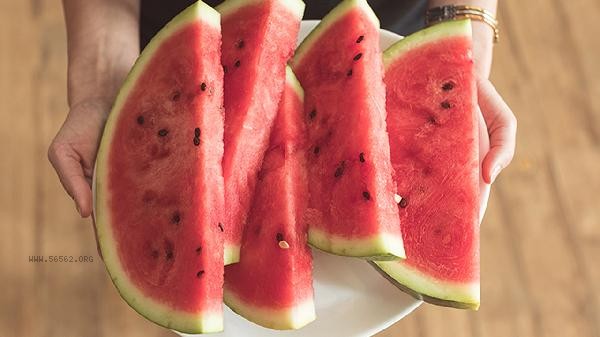
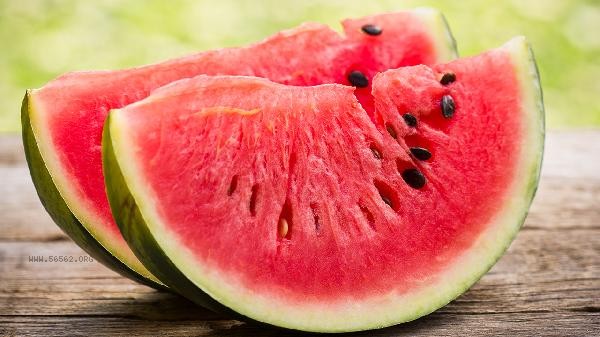
Wild watermelon is a wild plant fruit that looks similar to regular watermelon but has a smaller volume. It is usually oval or spherical in shape, with a dark green skin with light stripes. The flesh is juicy but has a bitter taste. The diameter of wild watermelons is generally between 5 and 10 centimeters. When mature, the skin becomes hard and has rough texture, which is significantly different from the smooth surface of cultivated watermelons. After cutting open, white or pale yellow flesh can be seen, containing a large number of black or brown flat seeds inside, which are tightly arranged and abundant. Immature wild watermelons have a light green skin, which gradually turns into dark green with yellow spots as maturity increases.

Wild watermelons often grow in arid or semi-arid areas such as wastelands, roadsides, or fields. The vines are slender and the leaves are palm shaped with serrated edges. Its flowers are small yellow monoecious flowers, monoecious, and the flowering period is concentrated in summer. Due to the presence of bitter substances such as cucurbitacin, wild animals rarely chew on it, which allows it to reproduce in large numbers in natural environments. Residents in some areas will collect tender leaves as wild vegetables for consumption, but the fruits are usually not consumed directly due to their strong bitterness. Although wild watermelon has an attractive appearance, it is not suitable for direct consumption as it may contain mild toxic substances. If identifying plants in the wild, it is recommended to observe their leaf characteristics and growth environment to avoid ingesting toxic wild fruits. If medicinal or edible use is required, professional botanists or nutritionists should be consulted to ensure safety and proper handling methods.








Comments (0)
Leave a Comment
No comments yet
Be the first to share your thoughts!