
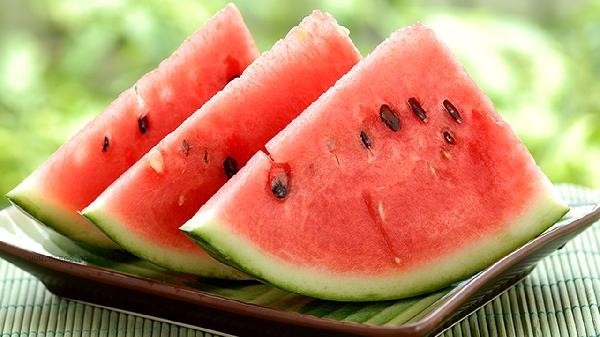
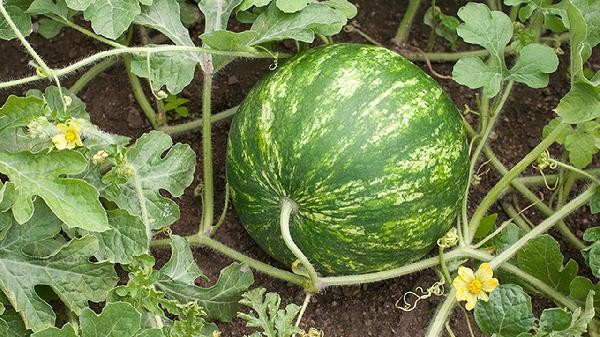
Wild watermelon generally refers to medicinal watermelon, and its fruit and seeds can be used in traditional medicine to treat diseases such as rheumatoid arthritis, skin inflammation, and digestive system discomfort. The main medicinal values of medicinal watermelon include relieving joint pain, inhibiting inflammatory reactions, and promoting gastrointestinal function. Before use, it is necessary to consult a professional physician to avoid poisoning caused by ingestion or overdose.
1. Rheumatoid arthritis
The extract of watermelon has anti-inflammatory and analgesic effects. In traditional medicine, it is often made into external ointment or soaked in medicinal wine to relieve joint swelling and pain. Its active ingredients may alleviate inflammatory reactions by inhibiting prostaglandin synthesis, but attention should be paid to its toxicity and it should not be taken orally.
2. Skin Inflammation
Watermelon seed oil is used in some areas to treat skin problems such as eczema and scabies. The fatty acids and antimicrobial components it contains may help alleviate itching and redness, but direct contact with fresh fruit juice may cause contact dermatitis and requires professional preparation before use.
III. Digestive System Discomfort
Watermelon seeds processed in small amounts have been used to improve loss of appetite or mild diarrhea, and their bitter components may stimulate the secretion of digestive juices. But fresh fruits contain toxic substances such as cucurbitacin, which can cause severe vomiting, abdominal pain, and even endanger life if ingested by mistake.
4. Insect repellent effect
Watermelon seed extract has a certain repellent effect on intestinal parasites such as tapeworms and roundworms. Traditional use requires the combination of other medicinal herbs to reduce toxicity. Modern medicine has developed safer deworming drugs, and it is not recommended to use watermelons for deworming treatment on one's own.
V. Other Potential Uses
Some studies have shown that medicinal watermelon may have activities such as lowering blood sugar and anti-tumor, but these effects have not been clinically validated. Its toxicity is much greater than that of ordinary edible watermelon, and any medicinal attempt must be carried out under the guidance of a professional physician. Although watermelon has traditional medicinal records, its entire plant is toxic, and ingestion of fresh fruit may lead to poisoning or even death. When using, it is necessary to strictly distinguish between medicinal watermelon and edible watermelon to avoid confusion. It is recommended to prioritize the use of modern medically validated safe drugs for the treatment of related diseases. If traditional therapies are required, professional Chinese medicine practitioners must guide the preparation method and dosage. Regular watermelon should be chosen in daily diet to supplement water and vitamins, and timely medical attention should be sought when symptoms of related diseases occur.









Comments (0)
Leave a Comment
No comments yet
Be the first to share your thoughts!