
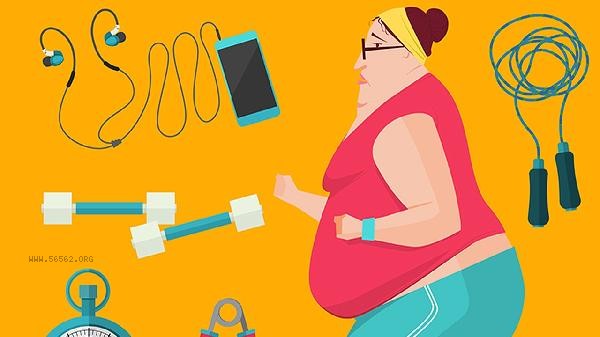
Youth weight loss can be achieved by controlling calorie intake, increasing high-quality protein, choosing low glycemic index foods, supplementing dietary fiber, and allocating three meals reasonably to develop a dietary plan. During weight loss, it is necessary to avoid high sugar and high-fat foods, ensure balanced nutrition, and combine moderate exercise.
1. Control calorie intake
Daily calorie intake should be lower than consumption, recommended to be controlled between 1500-1800 calories for men and 1200-1500 calories for women. Replace refined rice and flour with coarse grains, and choose low oil cooking methods such as steaming and cold mixing. Avoiding high calorie foods such as fried foods and sugary drinks, and keeping a diet diary can help with quantitative management.
2. Increase high-quality protein
Daily intake of 1.2-1.6 grams of protein per kilogram of body weight, preferably chicken breast, fish, egg whites, low-fat dairy products, etc. Protein can prolong satiety and reduce muscle loss. When cooking, pay attention to removing visible fat. Soybeans and their products are also a good source of plant-based protein.
3. Low glycemic index foods
Choose foods with a glycemic index below 55, such as oats, buckwheat, apples, etc., and avoid refined carbohydrates such as white bread and glutinous rice. Low GI foods can stabilize blood sugar levels and reduce fat accumulation. Combining protein and dietary fiber can further reduce postprandial blood sugar fluctuations.
4. Supplementing dietary fiber
Daily intake of 25-30 grams of dietary fiber, increased intake through broccoli, mushrooms, chia seeds, etc. Water soluble dietary fiber can delay gastric emptying, while insoluble fiber promotes intestinal peristalsis. Pay attention to gradually increasing fiber content and drinking sufficient water to avoid gastrointestinal discomfort.
5. Reasonably allocate three meals
Breakfast accounts for 30% of the day's calories, lunch 40%, dinner 30%, and do not eat for 3 hours before bedtime. Adopting a small quantity multi meal mode, sugar free yogurt or nuts can be supplemented between meals. Avoid metabolic rate decline caused by excessive dieting and maintain a regular eating rhythm in the long term. During the weight loss period, it is necessary to ensure that you drink at least 2000 milliliters of water per day and engage in moderate intensity exercise such as brisk walking and swimming for 150 minutes per week. Avoid using meal replacement powder instead of regular meals, and adjust the plan promptly if discomfort such as dizziness and fatigue occurs. It is recommended to lose no more than 5% of body weight per month, as excessive dieting may cause problems such as hair loss and menstrual disorders. Regular body composition testing can be conducted, and dietary structure can be dynamically adjusted under the guidance of a nutritionist.









Comments (0)
Leave a Comment
No comments yet
Be the first to share your thoughts!