
The combination of lotus leaves with hawthorn, tangerine peel, green tea, coix seed, cassia seed, etc. may help with weight loss, but it needs to be combined with dietary control and exercise.

1. Food
1. Hawthorn
Hawthorn is rich in organic acids and flavonoids, which can promote gastrointestinal peristalsis and accelerate fat breakdown. Drinking lotus leaves and hawthorn soaked in water can relieve bloating, but patients with gastrointestinal ulcers should use it with caution.
2. Chenpi
The volatile oils in Chenpi help regulate qi and strengthen the spleen, and when combined with lotus leaves, they can regulate blood lipid metabolism. Suitable for obese individuals with phlegm dampness type, but those with yin deficiency constitution need to reduce the dosage.
3. Green tea
The catechins in green tea work synergistically with matrine to increase basal metabolic rate. It is recommended to choose unfermented Longjing or Biluochun and avoid drinking on an empty stomach.
4. Coix seed
Coix seed contains coix seed ester, which, when combined with lotus leaves, can promote water and moisture absorption, making it suitable for edematous obesity. Attention should be paid to the possibility of electrolyte imbalance caused by long-term and excessive use.
5. Cassia seed
The catechins in Cassia seed, when combined with lotus leaves, can moisten the intestines and promote bowel movements, making it suitable for obese individuals with constipation. People with spleen and stomach deficiency and cold should be combined with ginger to reduce cold stimulation.

2. Drug
1. Orlistat capsules
can be used in combination with lotus leaves as lipase inhibitors to reduce dietary fat absorption. Attention should be paid to the possibility of causing fat diarrhea, and vitamin deficient individuals should supplement with fat soluble vitamins.
2. Metformin hydrochloride tablets
are suitable for obese individuals with insulin resistance, and when used in combination with lotus leaves, blood glucose monitoring is required. Patients with renal insufficiency should avoid using it as it may cause gastrointestinal reactions.
3. L-carnitine oral solution
promotes fatty acid mitochondrial transport, and lotus leaves can enhance its metabolic effects. Suitable for sports enthusiasts, but use with caution for those with hyperthyroidism.
4. Fuling Skin Granules
synergizes with lotus leaves to promote diuresis and reduce swelling, and is mainly used for treating water and dampness stagnation type obesity. Long term use requires the combination of spleen strengthening drugs to prevent damage to the vital energy.
5. Fangfeng Tongsheng Pill
traditional Chinese patent medicines and simple preparations for relieving exterior and interior diseases, combined with lotus leaf, is suitable for obesity with excess heat and constipation. Containing ephedrine, hypertensive patients should use it under the guidance of a physician.
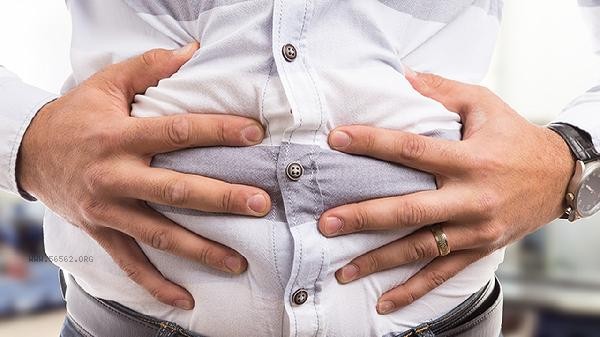
When using lotus leaves for weight loss, it is important to pay attention to physical constitution and avoid relying solely on tea substitutes. It is recommended to control the daily intake of lotus leaves at 5-10 grams, in combination with aerobic exercise and a low glycemic index diet. For those with weak gastrointestinal function, red dates or ginger can be added to adjust the medicinal properties. If discomfort such as palpitations and diarrhea occurs, stop using immediately and seek medical attention. During the weight loss period, it is necessary to ensure daily water intake of 1500-2000 milliliters, sleep for no less than 7 hours, and regularly monitor weight changes and body fat percentage.








Comments (0)
Leave a Comment
No comments yet
Be the first to share your thoughts!