
High blood lipids and blood sugar can be treated with moderate consumption of oats, bitter gourd, deep-sea fish, onions, black fungus and other foods. It is also recommended to take atorvastatin calcium tablets, regorazine tablets, metformin hydrochloride tablets, fenofibrate capsules, acarbose tablets and other medications according to medical advice. It is recommended to seek medical attention promptly, adjust the diet structure under the guidance of a doctor, and cooperate with medication treatment.
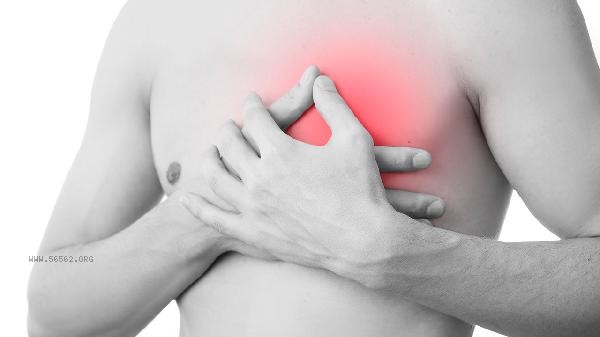
1. Food
1. Oats
Oats are rich in soluble dietary fiber beta glucan, which can delay glucose absorption and improve postprandial blood sugar fluctuations. The linoleic acid it contains helps regulate cholesterol metabolism. It is recommended to choose plain oatmeal without added sugar, and the daily intake should be controlled within 50 grams.
2. Bitter melon
Bitter melon contains bitter melon saponins and insulin-like substances, which have auxiliary hypoglycemic effects. Its dietary fiber content is high, which can reduce fat absorption. When cooking, it is recommended to mix it cold or stir fry it to avoid high temperatures damaging the active ingredients. People with spleen and stomach deficiency and cold should control their consumption.
3. Deep sea fish
Salmon, sardine, etc. are rich in Omega-3 fatty acids, which can reduce the level of triglycerides. It is recommended to take them 2-3 times a week, 100-150g each time. Low temperature cooking methods such as steaming are preferred to avoid nutrition loss caused by frying.
4. Onion
Onion contains sulfur compounds and quercetin, which can enhance insulin sensitivity. Eating raw or stir frying for a short period of time can retain more active ingredients. It is recommended to consume around 50 grams per day, and patients with gastric ulcers should reduce their intake of raw food.
5. Black fungus
Black fungus polysaccharides have a regulating effect on lipid metabolism, and their colloids can adsorb excess lipids in the intestine. After soaking hair, it is recommended to mix it with cold water or boil it in soup for consumption. The daily recommended amount of dry food is 10-15 grams. Patients with bleeding disorders should use it with caution.
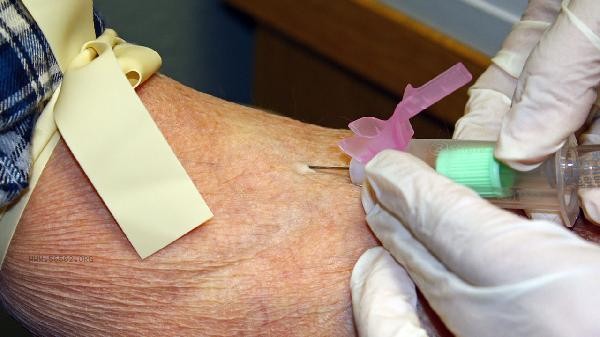
2. Medication
1. Atorvastatin calcium tablets
are suitable for patients with primary hypercholesterolemia. By inhibiting liver cholesterol synthesis and reducing low-density lipoprotein, adverse reactions such as muscle soreness may occur. Regular monitoring of liver function is required during medication.
2. Reglenide tablets
are non sulfonylurea insulin secretagogues used for postprandial blood glucose control. They should be taken 15 minutes before meals and can enhance the hypoglycemic effect when combined with metformin. Patients at risk of hypoglycemia should use them with caution.
3. Metformin Hydrochloride Tablets
is a first-line drug for type 2 diabetes, which can improve insulin resistance and reduce liver sugar output. Common gastrointestinal reactions are usually relieved within two weeks, and those with severe renal insufficiency are prohibited.
4. Fenofibrate Capsules
Betrate type lipid-lowering drugs mainly reduce triglyceride levels, and combined use with statins may increase the risk of rhabdomyolysis. During medication, it is necessary to avoid a high-fat diet.
5. Acarbose tablets
are alpha glucosidase inhibitors that delay carbohydrate breakdown and absorption. They should be chewed and taken with the first main meal, which may cause gastrointestinal symptoms such as bloating. They are contraindicated for patients with chronic intestinal obstruction.
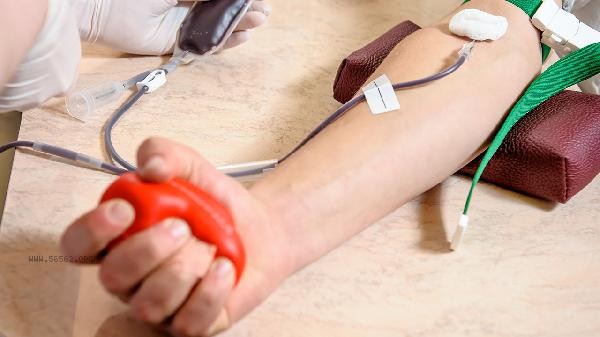
Patients with abnormal blood lipids and blood sugar should establish regular three meal habits, with a daily replacement of coarse grains not less than one-third of the staple food, and cooking using unsaturated fatty acid oils such as olive oil. Perform 150 minutes of moderate intensity aerobic exercise per week, such as brisk walking, swimming, etc. Regularly monitor the four levels of blood lipids and glycated hemoglobin indicators to avoid staying up late and experiencing emotional fluctuations. Individuals at risk of cardiovascular and cerebrovascular diseases should strictly quit smoking and limit alcohol consumption. For those who are overweight, it is recommended to lose no more than 4 pounds per month.








Comments (0)
Leave a Comment
No comments yet
Be the first to share your thoughts!