
Low fat yogurt usually refers to yogurt products with low fat content, mainly including skim yogurt, partially skim yogurt, Greek style low-fat yogurt, sugar free low-fat yogurt, plant-based low-fat yogurt, etc.

1. Non fat yogurt
Non fat yogurt removes most of the milk fat during the production process, and the fat content is usually less than 0.5%. This type of yogurt retains the high-quality protein and calcium in yogurt, making it suitable for people who need to strictly control their fat intake. Non fat yogurt has a relatively light taste and can be paired with fresh fruits or nuts to enhance flavor.
2. Partially skimmed yogurt
The fat content of partially skimmed yogurt is generally between 1-2%, which is more than half the fat content of full fat yogurt. This type of yogurt maintains a certain creamy aroma and smooth taste while reducing fat. Partially skimmed yogurt is suitable for consumers who want to moderately control fat while pursuing a balanced taste.
3. Greek style low-fat yogurt
Greek style low-fat yogurt undergoes a special filtration process to remove some whey, and the fat content is controlled between 0.5-2%. Its characteristics are high protein content, thick texture, and strong satiety. Greek style low-fat yogurt is suitable for fitness enthusiasts and those who require a high protein diet, and can be consumed directly or used as a salad dressing.
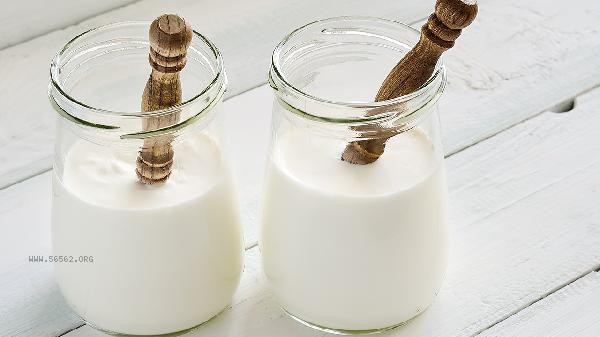
4. Sugar free low-fat yogurt
Sugar free low-fat yogurt reduces fat content without adding sucrose, and the fat content is usually less than 1.5%. This kind of yogurt is suitable for diabetes patients and sugar control people, but sugar substitutes may be added to adjust the taste. When making a selection, it is important to check the nutrition chart and avoid products containing artificial sweeteners.
5. Plant based low-fat yogurt
Plant based low-fat yogurt is made from plant-based ingredients such as soy milk and coconut milk, with a fat content mostly below 1.5%. This type of yogurt does not contain lactose and cholesterol, making it suitable for lactose intolerant and vegetarian individuals. The protein content of plant-based yogurt may be lower than that of dairy yogurt, and products that are fortified with calcium and vitamins can be chosen. When choosing low-fat yogurt, attention should be paid to checking the fat content on the product label. Generally, a fat content of no more than 3 grams per 100 grams of yogurt can be considered low-fat. Low fat yogurt can be a part of a healthy diet, but it should be noted that some products may improve their taste by adding sugar, which may actually increase calories. It is recommended to pair it with natural ingredients such as fresh fruits and oats to ensure nutritional needs and control total calorie intake. For individuals with special health conditions, it is best to choose yogurt products that are suitable for oneself under the guidance of a doctor or nutritionist.









Comments (0)
Leave a Comment
No comments yet
Be the first to share your thoughts!