
Vegetables containing carbohydrates mainly include potatoes, corn, peas, carrots, and pumpkins. These vegetables not only provide dietary fiber and vitamins, but also contain a certain amount of carbohydrates, making them suitable as part of a balanced diet.

1. Potatoes
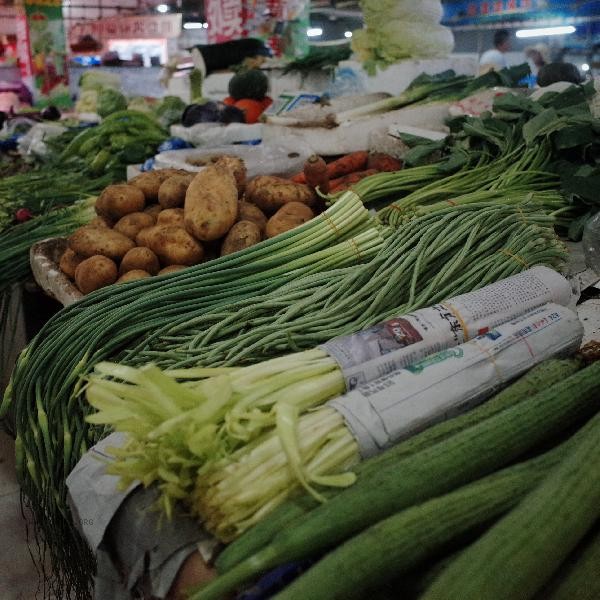
Potatoes are a common carbohydrate containing vegetable, with approximately 17 grams of carbohydrates per 100 grams of potatoes. Potatoes are rich in starch and can be used as a substitute for staple food. They also contain vitamin C and potassium elements. It is recommended to choose steaming or baking as the cooking method, and avoid deep frying to reduce oil intake. People with weak gastrointestinal function need to control their intake and avoid bloating.
2. Corn
Corn is a high carbon water vegetable, with about 19 grams of carbohydrates per 100 grams of sweet corn. Corn kernels are rich in dietary fiber and lutein, which are beneficial for visual health. Fresh corn can be boiled directly or made into corn Congee. Diabetes patients need to pay attention to controlling the amount of food to avoid blood sugar fluctuations.
3. Peas
Peas have a high carbohydrate content, with about 14 grams of carbohydrates per 100 grams of green peas. Pea protein content is more prominent in vegetables, and it is also rich in B vitamins. Suitable for pairing with grains to improve protein utilization. Fresh peas can be stir fried, while dried peas are suitable for making soup or mashed beans.
4. Carrots
Carrots contain about 10 grams of carbohydrates per 100 grams, some of which are soluble dietary fiber. Carotenoids are rich in content and can be converted into vitamin A in the body. It is recommended to cook with oil to promote nutrient absorption, and chew thoroughly when eating raw to aid digestion. Individuals with thyroid dysfunction should not consume large amounts of raw food.
5. Pumpkin
Pumpkin has a carbohydrate content of about 7 grams per 100 grams, with older pumpkins having a higher content. Pumpkin is rich in beta carotene and potassium, and its flesh is soft and easily digestible. It is suitable for cooking, stewing or making pumpkin Congee. Pumpkin seeds are also edible, but their high calorie content requires moderate control. Carbon rich vegetables can be used as a staple food supplement, but attention should be paid to total quantity control, especially for people with abnormal blood sugar levels. It is recommended to consume high-quality protein and healthy fats together, and use low-temperature cooking methods such as steaming to preserve nutrients. Carbonated vegetables of different colors can be rotated for a more comprehensive range of plant nutrients. In daily diet, these vegetables can be paired with green leafy vegetables to meet carbon and water requirements while increasing dietary fiber intake. Special groups such as diabetes patients should develop personalized intake programs under the guidance of nutritionists.








Comments (0)
Leave a Comment
No comments yet
Be the first to share your thoughts!