
The thickness of the outer thigh can be improved through dietary adjustments, moderate exercise, physical therapy, surgical treatment, and other methods, which may be related to genetic factors, fat accumulation, poor posture, and other factors.

1. Adjust diet
Control daily total calorie intake, reduce the intake of high sugar and high-fat foods such as fried foods and desserts, increase high-quality protein such as chicken breast, soy products, and dietary fiber rich broccoli, oats, etc. Avoid excessive intake of salt to prevent sodium retention and aggravate lower limb edema. At the same time, it is necessary to maintain regular three meals and avoid overeating.
2. Moderate exercise
focuses on shaping the lower limbs through exercises such as side lying and leg lifting, clamshell opening and closing, which can specifically strengthen the lateral thigh muscles. Combining aerobic exercise such as swimming and jogging can help burn body fat. It is recommended to exercise 4-5 times a week for at least 30 minutes each time, and stretch before and after exercise to prevent muscle clumping.
3. Physical therapy
can promote local blood circulation and assist fat metabolism through non-invasive methods such as low-frequency electrical stimulation or radiofrequency lipolysis. During massage, use a roller or fascia gun to relax the tensor fascia lata muscle and improve visual stiffness caused by muscle tension. A personalized plan needs to be developed by a professional rehabilitation therapist.

4. Surgical treatment
For stubborn fat accumulation, thigh liposuction or laser lipolysis can be used to directly remove the subcutaneous fat layer. After surgery, it is necessary to wear shapewear for 3-6 months to maintain the effect. There may be risks of complications such as uneven skin and pigmentation, and the indications need to be strictly evaluated.
5. Body posture correction
Long term poor standing posture or walking posture can lead to compensatory thickening of the tensor fascia lata muscle. The hip joint force line can be improved through wall standing training, arch support pads, and other methods. If necessary, rehabilitation training can be combined to enhance the strength of the hip muscle group and reduce the force on the outer thigh.
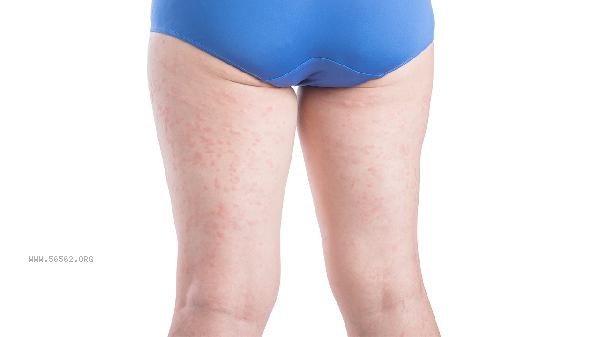
Moderate pressure shapewear can be worn in daily life to assist in shape management, avoiding habits such as prolonged sitting and crossed legs that worsen lower limb circulation. If accompanied by orange peel like changes or continuous asymmetric thickening of the skin, it is recommended to seek medical attention to rule out hormone abnormalities or lymphatic system diseases. Losing weight should be done gradually, and extreme dieting or excessive exercise may cause metabolic disorders.








Comments (0)
Leave a Comment
No comments yet
Be the first to share your thoughts!