
Vegetables that are not easily decomposed mainly include carrots, potatoes, onions, pumpkins, cabbage, etc. These vegetables can be stored for a long time in a dry environment at room temperature due to their low moisture content or thick outer skin.
1. Carrots
Carrots are rich in carotenoids and dietary fiber, and their hard skin can effectively isolate air and moisture. Uncut whole carrots can be stored in a cool and ventilated place for several weeks. It is recommended to keep the stem and leaves to delay water loss. Avoid contact with fruits that release ethylene, such as apples, during storage, as they are prone to sprouting and spoilage.
2. Potatoes
Potatoes have high starch content and thick skin, and can be stored for 1-2 months in a dark environment at around 10 ℃. Potatoes that have sprouted or turned green will produce solanine toxin, which needs to be discarded whole and cannot be eaten. When storing, it can be wrapped in paper bags to block out light, and regularly inspected to remove rotten individuals to prevent the spread of mold.
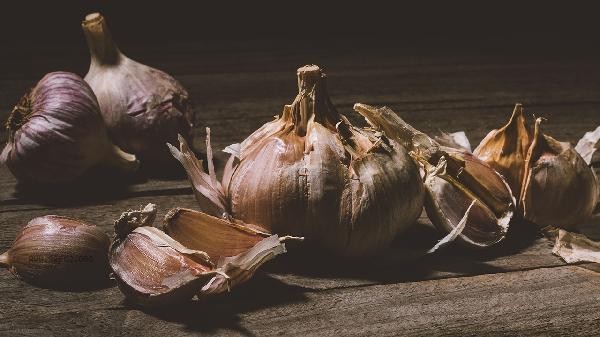
3. Onion
The dry outer scales of onions can prevent internal water evaporation, and intact and unpeeled onions can be hung and stored in mesh bags for up to 2 months. Cut onions need to be refrigerated and used as soon as possible, as their sulfur-containing compounds can accelerate the spoilage of surrounding ingredients. Purple skinned onions are more resistant to storage than white skinned varieties.
4. Pumpkin
Mature pumpkins have dense flesh and hard shells, and can be stored for 3-6 months at 10-15 ℃ without damage. Before storage, keep a 5cm fruit stem to avoid direct contact with the ground. Cut open pumpkins need to be removed from the flesh and refrigerated. It is recommended to consume them within a week.
Fifth, Cabbage
The outer leaves of cabbage can protect the inner core, and the whole uncut cabbage can be kept fresh for 3-4 weeks in the refrigerator compartment. When storing, keep the outermost layer of old leaves and wrap the cut with plastic wrap. Purple cabbage is more resistant to storage than ordinary cabbage, and pickled Chinese cabbage made by fermentation can extend the storage period to several months.
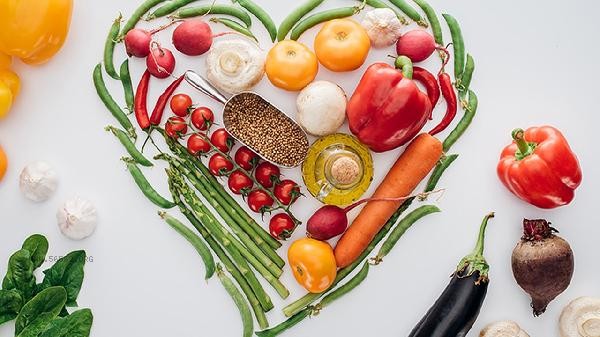
To extend the shelf life of vegetables, attention should be paid to storage environment control. Root vegetables are suitable for storage in cool and ventilated cardboard boxes, avoiding moisture and direct sunlight. It is recommended to wrap leafy vegetables in kitchen paper and put them in breathable fresh-keeping bags for refrigeration. Regularly check the inventory of ingredients, and dispose of any rotten items immediately. For storage tolerant vegetables, processing such as drying and pickling can extend their shelf life and increase flavor diversity. Reasonably planning the procurement quantity and combining it with freezing preservation techniques can effectively reduce food waste.








Comments (0)
Leave a Comment
No comments yet
Be the first to share your thoughts!