
Low fat milk mainly includes skim milk, low-fat milk, partially skim milk, high calcium low-fat milk, and organic low-fat milk.

1. Skimmed Milk
Skimmed milk refers to milk with a fat content of less than one percent, and the vast majority of milk fat is removed through centrifugation technology. This type of milk retains the high-quality protein and calcium in milk, making it suitable for people who need to strictly control their fat intake, such as cardiovascular disease patients or weight loss enthusiasts. Skimmed milk has a relatively light taste and a weak milk fat aroma, but its nutritional value can be enhanced by adding nutrients such as vitamin D.
2. Low fat Milk
The fat content of low-fat milk is usually between 1% and 2%, which is about half less fat than full fat milk. This type of milk retains the smooth texture of some milk fat while reducing calorie intake, making it suitable for daily consumption by most healthy individuals. The content of fat soluble vitamins in low-fat milk decreases with the decrease of fat, but it is still a good source of calcium and protein.
3. Partially skimmed milk
The fat content of partially skimmed milk is between full fat and low-fat milk, about 2%. This type of milk balances taste and health needs by partially removing milk fat, making it suitable for consumers who want to moderately control their fat intake but are unwilling to completely give up the milk fat flavor. The nutritional value of partially skimmed milk is similar to that of low-fat milk, but its taste is closer to that of whole milk.
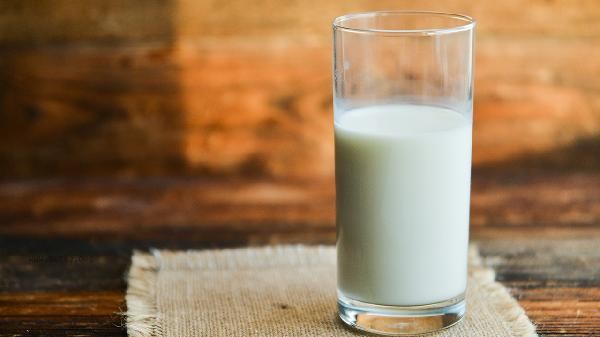
4. High Calcium and Low Fat Milk
High calcium and low-fat milk is a fortified dairy product that adds extra calcium to low-fat milk, and its calcium content is much higher than ordinary milk. This type of product is particularly suitable for individuals at risk of osteoporosis, teenagers, and pregnant women who have a high demand for calcium. High calcium and low-fat milk not only meets the requirements of low fat, but also effectively supplements daily calcium intake, and usually contains vitamin D that promotes calcium absorption.
5. Organic low-fat milk
Organic low-fat milk comes from certified organic farms, and cows are raised without antibiotics or growth hormones. Its fat content is comparable to regular low-fat milk, but it may contain higher levels of omega-3 fatty acids. Organic low-fat milk is suitable for consumers who value food safety and environmental protection. Its price is usually higher than regular low-fat milk, but the nutritional value difference is not significant. When choosing low-fat milk, it should be determined based on personal health status and taste preferences. Skimmed milk is suitable for people with strict fat control, while low-fat or partially skimmed milk is more suitable for daily consumption by the general public. High calcium and low-fat milk is more targeted for specific populations, while organic low-fat milk focuses on food safety concepts. Regardless of which low-fat dairy product you choose, it is recommended to pair it with a balanced diet and pay attention to the nutritional information on the product label. Lactose intolerant individuals can choose low-fat milk with a low lactose formula, and seek medical advice promptly if they experience discomfort after drinking.








Comments (0)
Leave a Comment
No comments yet
Be the first to share your thoughts!