
The physical changes that lead to normal blood pressure after weight loss mainly include improved physical fitness, improved mental state, and reduced risk of chronic diseases.

1. Physical fitness improvement
Normalization of blood pressure improves the efficiency of heart pumping and provides more sufficient oxygen supply to muscles during exercise. The previous occurrence of wheezing while climbing stairs has decreased, and the endurance of daily activities has significantly increased. Some people have shortened their recovery time after exercise. After improving vascular elasticity, the peripheral circulation of hands and feet becomes more unobstructed, and the numbness symptoms of limbs in cold environments are alleviated.
2. Metabolic improvement
Along with weight loss, increased insulin sensitivity helps stabilize blood sugar levels. The optimization of blood lipid profile is manifested by a decrease in triglyceride concentration and an increase in high-density lipoprotein cholesterol levels. Improving uric acid excretion efficiency can reduce the risk of gout attacks and alleviate the degree of fatty liver in some populations.
3. Reduced organ load
The decrease in cardiac output per beat leads to a decrease in myocardial oxygen consumption, which may alleviate the trend of left ventricular hypertrophy shown on electrocardiogram. Reduced renal filtration pressure can delay the progression of glomerulosclerosis and improve symptoms of microalbuminuria. The frequency of spasmodic contraction of retinal arteries decreases, and the probability of papilledema decreases.
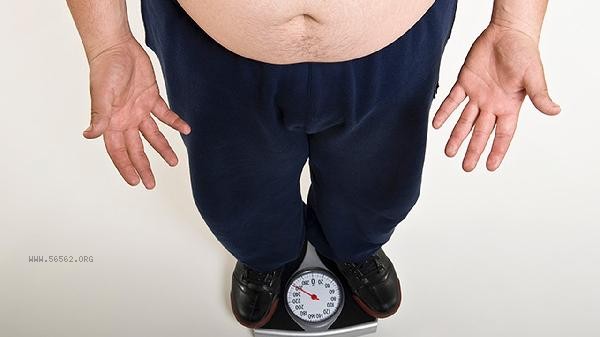
4. Improved sleep quality
The decrease in sympathetic nervous tension at night prolongs deep sleep time and improves sleep apnea index. The symptoms of headache and dizziness decrease in the morning, and the circadian rhythm of blood pressure becomes more normal. Some patients with concomitant snoring reported a significant decrease in the number of nighttime respiratory interruptions reported by their partners.
5. Changes in medication requirements
Patients who originally needed combination therapy to control blood pressure may experience dose reduction opportunities, but adjustments must be made under the guidance of a doctor. The risk of electrolyte imbalance caused by diuretics is reduced, and the side effects of dry cough caused by angiotensin-converting enzyme inhibitors are alleviated. The coefficient of variation of blood pressure displayed by dynamic blood pressure monitoring tends to the normal range. Maintaining stable blood pressure requires long-term adherence to a reasonable diet and regular exercise. It is recommended to adopt the Deshu diet pattern, with a daily sodium intake controlled within 5 grams, and to engage in aerobic training combined with resistance exercise three times a week. Regularly measure family blood pressure and record fluctuations to avoid triggering factors such as staying up late and emotional excitement. Patients with other chronic diseases should be followed up and rechecked every 3 months, and the comprehensive intervention plan should be adjusted based on new metabolic indicators.









Comments (0)
Leave a Comment
No comments yet
Be the first to share your thoughts!