
Egg custard is rich in high-quality protein, lecithin, vitamins A and B, as well as minerals such as iron and zinc, making it suitable for people with weak digestive function to supplement nutrition.
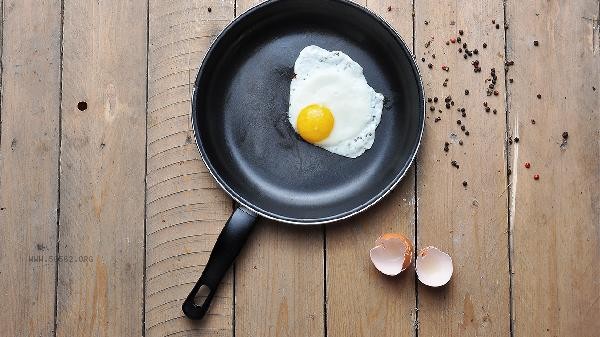
1. High quality protein
Egg custard has high protein bioavailability and contains 8 essential amino acids for the human body, with an amino acid pattern close to the human body's needs. Every 100 grams of egg custard contains about 6 grams of protein. During the steaming process, protein denaturation is more easily absorbed by the gastrointestinal tract, making it suitable for postoperative recovery or those with reduced digestive function.
2. Phosphatidylcholine
The lecithin in egg yolk can still be well preserved after cooking. This substance is an important component of the cell membrane and helps promote neurotransmitter synthesis. Moderate intake has a positive effect on the brain development of infants and young children, as well as the maintenance of cognitive function in middle-aged and elderly people, but individuals with hypercholesterolemia need to control their consumption.
3. Vitamin A
Egg custard retains most of the fat soluble vitamins in the yolk, with vitamin A content being particularly prominent. This nutrient participates in the synthesis of visual photosensitive substances, maintains the integrity of epithelial cells, and has a lower loss rate during steaming compared to high-temperature cooking methods such as frying, which helps alleviate nighttime vision loss. 4. The steaming process of B vitamins can reduce the loss of B vitamins. Egg custard contains various water-soluble vitamins such as vitamin B2 and B12. These coenzyme components are involved in energy metabolism processes and play an important role in preventing angular inflammation and maintaining normal nervous system function. They can be used as a supplementary source by lactating mothers and vegetarians.
5. Mineral Elements
The minerals such as iron and zinc in egg custard exist in an easily absorbable form, and although the iron content is lower than that of red meat, the bioavailability is higher. Eating vegetables rich in vitamin C can increase iron absorption rate and is suitable as an auxiliary dietary choice for patients with iron deficiency anemia. However, patients with kidney disease should pay attention to controlling their intake.
It is recommended to use a 1:1.5 ratio of egg water when making egg custard. After sieving, steaming over low heat can maintain a delicate taste. Pairing with ingredients such as shrimp and mushrooms can increase nutrient diversity, but adding salt should be moderate. Infant and toddler complementary foods should ensure that the egg yolk is completely solidified. When consumed by the elderly, a small amount of sesame oil can be sprinkled to help absorb fat soluble vitamins. Egg custard can be used as a high-quality source of protein in daily life, but people who are allergic to eggs should avoid consuming it.








Comments (0)
Leave a Comment
No comments yet
Be the first to share your thoughts!