
Abdominal weight loss can be achieved through adjusting dietary structure, combining aerobic exercise with strength training, controlling calorie intake, improving lifestyle habits, and necessary medical interventions.
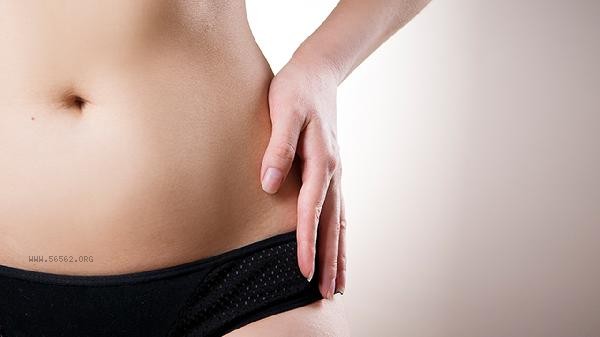
1. Adjust dietary structure
Reduce intake of refined carbohydrates and saturated fats, and increase the ratio of high-quality protein to dietary fiber. Choose whole grains instead of polished rice and white flour daily, and pair 200-300 grams of non starch vegetables such as broccoli with each meal. Using low glycemic index ingredients such as oats and quinoa can help stabilize blood sugar levels and avoid fat accumulation. Abstain from sugary drinks and alcohol, and replace daily liquid intake with green tea and plain water.
2. Aerobic exercise combined with strength training
Doing 150 minutes of moderate intensity aerobic exercise such as swimming and cycling every week can effectively burn deep abdominal fat. Combining core muscle group training such as three weekly plank supports and Russian rotations for 20-30 minutes each time can enhance muscle metabolic activity. Supplementing whey protein after exercise can help with muscle repair and increase basal metabolic rate.
3. Control calorie intake
Use food weighing to record daily intake and create a 300-500 kcal calorie deficit. Prioritize low oil cooking methods such as steaming and boiling, and avoid fried foods. When implementing 16:8 intermittent fasting, it is necessary to ensure sufficient water intake and balanced nutrition during the fasting period. Beware of excessive intake of hidden calories such as salad dressing and nuts.
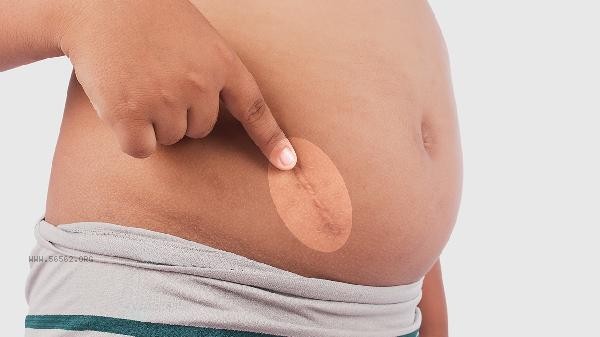
4. Improve lifestyle habits
Ensure 7-9 hours of high-quality sleep per day. Abnormal cortisol levels can promote abdominal fat storage. Get up and move for 5 minutes every hour to avoid accumulation of visceral fat caused by prolonged sitting. Relieve stress through meditation and deep breathing. Chronic stress stimulates appetite and reduces fat breakdown efficiency. Quitting smoking can improve blood circulation and enhance fat loss.
5. Medical Intervention
For patients with a BMI over 35 and metabolic syndrome, professional evaluation can use drugs such as Orlistat capsules as adjuvant therapy. Laparoscopic sleeve gastrectomy is suitable for patients with pathological obesity and requires strict preoperative evaluation. Medical beauty methods such as cryolipolysis or radiofrequency tightening can locally improve skin laxity, but lifestyle adjustments are necessary.
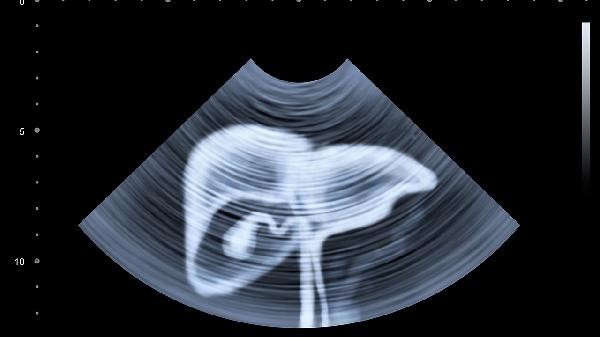
It is recommended to drink 300ml of warm water on an empty stomach every morning to promote gastrointestinal peristalsis, and to add foods rich in omega-3 fatty acids such as salmon and flaxseed to the diet. Recording changes in waist circumference can better reflect the effectiveness of weight loss than simply weighing oneself. If you experience persistent abdominal pain or menstrual disorders, seek medical attention promptly and check for endocrine disorders. Maintaining a regular daily routine and exercise habits for a long time is the key to preventing rebound and avoiding excessive reliance on a single weight loss method.








Comments (0)
Leave a Comment
No comments yet
Be the first to share your thoughts!