
Low fat, low sugar, and high fiber foods mainly include oats, broccoli, apples, black beans, konjac, and so on. This kind of food can help control weight, stabilize blood sugar and promote intestinal health. It is suitable for daily consumption of patients with diabetes, obesity and cardiovascular disease.

1. Oats
Oats are rich in soluble dietary fiber beta glucan, which can slow down gastric emptying and help control postprandial blood sugar levels. Its fat content is lower than the average level of grains, and it is mainly composed of unsaturated fatty acids. It is recommended to choose plain oatmeal without added sugar, which can be paired with sugar free yogurt or nuts to enhance satiety.
2. broccoli
broccoli is a typical cruciferous vegetable, containing only 0.4 grams of fat and 1.7 grams of sugar per 100 grams, with a dietary fiber content of 2.6 grams. The sulforaphane contained in it has antioxidant properties, and the cooking method can maximize the retention of nutrients, making it suitable as a base ingredient for weight-loss meals. Apple peel contains a large amount of insoluble dietary fiber, with medium-sized apples providing approximately 4 grams of fiber. Its natural fructose release is slow, with a glycemic index of only 36. Eating it with skin can increase pectin intake and help improve gut microbiota balance. The sugar content of green apple varieties is usually lower than that of red apples.
4. Black beans
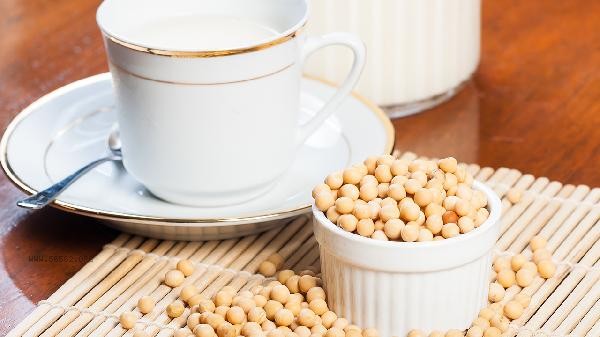
The dietary fiber content of black beans is more than 10 times that of polished white rice, with 15 grams of fiber per 100 grams and almost no saturated fat. Soaking and cooking can improve the bioavailability of isoflavones, and their resistant starch can be fermented and utilized by colonic probiotics, but single intake should be controlled to avoid bloating.

5. Konjac
Konjac flour has a fiber content of over 70% and is almost free of fat and absorbable sugars. Its glucomannan swells dozens of times when exposed to water, significantly delaying gastric emptying. Making konjac rice or konjac flour can be used as a substitute for staple food, but it needs to be combined with protein foods to prevent nutritional deficiencies. When consuming low-fat, low sugar, and high fiber foods for a long time, it is important to gradually increase fiber intake and drink at least 2000 milliliters of water per day to avoid constipation. People with weak gastrointestinal function can first refine coarse grains, such as using a blender to process beans. Special populations such as diabetes patients need to monitor the blood sugar response of individual high fiber fruits, and patients should adjust their fiber intake according to the doctor's advice after surgery. It is recommended to distribute these types of foods in three meals, combined with appropriate amounts of high-quality protein and healthy fats, to form a balanced dietary structure.








Comments (0)
Leave a Comment
No comments yet
Be the first to share your thoughts!