
Low fat and high protein foods mainly include chicken breast, shrimp, egg white, lean beef, tofu, etc. This type of food can meet the protein requirements while avoiding excessive fat intake, making it a suitable daily choice for fitness enthusiasts, weight loss enthusiasts, and chronic disease patients who need to control their blood lipids.
1. Chicken breast
Chicken breast is a typical high protein and low-fat ingredient, containing about 24 grams of protein per 100 grams and less than 2 grams of fat. Its protein has high bioavailability and is rich in essential tryptophan and leucine for the human body, which helps with muscle synthesis and repair. When cooking, it is recommended to remove the skin and boil it in water or grill it, avoiding deep frying to maintain its low-fat properties. It should be noted that long-term consumption alone may lead to nutritional imbalance, and vegetables can be used to supplement dietary fiber.
2. Shrimp
Shrimp has a protein content of 18-20%, a fat content of only about 0.8 grams, and is rich in taurine and zinc elements. Its protein structure is soft and easy to digest, suitable for postoperative recovery or those with weak gastrointestinal function. When choosing fresh shrimp, pay attention to the transparency and elasticity, and avoid repeatedly thawing frozen shrimp. People with seafood allergies should consume with caution, and gout patients should control their intake.
III. Egg White
Egg white has a protein content of about 11 grams/100 grams, almost no fat, and contains all the essential amino acids needed by the human body. The digestion and absorption rate of egg white protein is as high as 98%, making it a high-quality protein source for kidney disease patients. When separating egg whites, a specialized egg separator can be used to avoid mixing egg yolks. Boiling or steaming can maximize the retention of nutrients. Raw egg white may contain anti biotin proteins, which can be destroyed by heating above 70 ℃.
4. Lean Beef
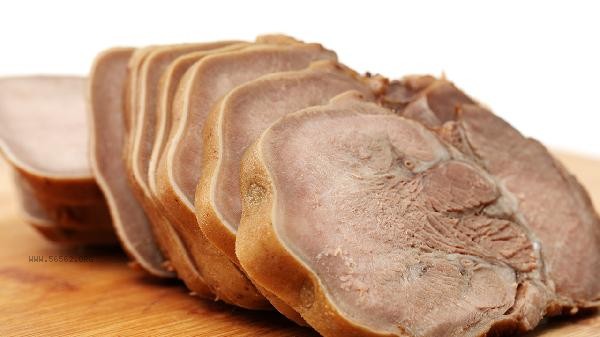
Selected beef tenderloin or hind leg meat can control the fat content below 5%, with a protein content of 26 grams per 100 grams, rich in heme iron and vitamin B12. High levels of creatine help improve athletic performance. It is recommended to use cooking methods such as boiling or low-temperature slow roasting to remove visible fat layers. Excessive intake may increase purine burden, and patients with hyperuricemia should not consume more than 3 times a week.
5. Tofu
North tofu has a protein content of about 12 grams per 100 grams, with unsaturated fatty acids as the main fat and plant active ingredients such as soy isoflavones. Its balanced calcium magnesium ratio is beneficial for preventing osteoporosis. Choosing brine tofu with a tight texture provides better protein, while cold mixing or boiling soup can reduce the addition of oil. People with gastrointestinal bloating should control their single intake, and those with thyroid dysfunction should consult a doctor before consuming.
Reasonable combination of these low-fat and high protein foods can optimize dietary structure. It is recommended to calculate the total daily protein content based on 1.2-1.6 grams per kilogram of body weight and distribute it to each meal. Combining dark vegetables and whole grains can improve nutrient utilization, and supplementing within 30 minutes after exercise is more conducive to protein absorption. Special populations such as those with renal insufficiency should adjust their protein intake under the guidance of a nutritionist to avoid exacerbating metabolic burden. Regularly changing the types of ingredients can help obtain a more comprehensive amino acid profile.








Comments (0)
Leave a Comment
No comments yet
Be the first to share your thoughts!